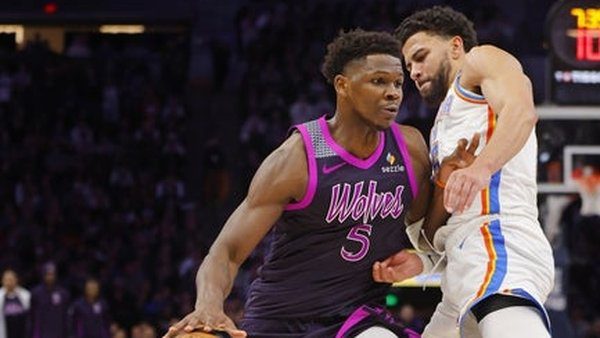
The Milwaukee Bucks travel to the Target Center as massive underdogs tonight, facing a surging Minnesota squad that recently welcomed back Anthony Edwards. Bryan Bash breaks down the efficiency gap and why the absence of Giannis Antetokounmpo forces a total structural shift for the struggling Bucks.
The Setup: Bucks at Timberwolves
The Timberwolves are laying 12 points at Target Center on Saturday night, and on the surface, this number makes sense. Milwaukee comes in at 11-17, riding a brutal stretch that just saw them lose at home to Toronto. Minnesota sits at 18-10, just got Anthony Edwards back healthy with 26 points in a win over Oklahoma City, and they’re 10-5 at home this season. Here’s the thing — the market isn’t just pricing in the records. It’s pricing in the fact that Giannis Antetokounmpo is out with a calf injury, and without their 28.9 PPG anchor, the Bucks become a completely different team structurally.
Let me walk you through why this line exists and why I actually think Minnesota covers it. This isn’t about fading Milwaukee because they’re struggling. It’s about understanding what happens when you remove a player who commands that much usage and defensive attention, then match what’s left against a Timberwolves squad that’s built to exploit exactly those kinds of efficiency gaps. The Bucks are 3-9 on the road this season. Minnesota is getting a star back at home. And once you dig into the matchup data, this spread starts to look fair — maybe even conservative.
Game Info & Betting Lines
Game Time: December 21, 2025, 7:00 ET
Venue: Target Center
Current Betting Lines (MyBookie.ag):
- Spread: Minnesota Timberwolves -12.0 (-110)
- Moneyline: Timberwolves -667 / Bucks +466
- Total: 226.0 (Over/Under -110)
Why This Line Exists
A 12-point home favorite feels steep until you account for what’s actually happening on both sides. Milwaukee is 11-17 overall and just 3-9 away from home. That road split matters because it’s not just about wins and losses — it’s about how this team functions in hostile environments without their best player. Giannis is out, and that removes 28.9 points, 10.1 rebounds, and 6.1 assists per game. More importantly, it removes the offensive hub that generates advantages through drives, kick-outs, and post touches.
What’s left is Kevin Porter Jr. at 19.6 PPG and Ryan Rollins at 17.0 PPG leading the offense. Those are solid secondary pieces, but they’re not built to carry a road offense against a defensive structure like Minnesota’s. The Timberwolves are 18-10 and 10-5 at Target Center, where they control pace and force teams into half-court execution. Anthony Edwards just returned from a three-game absence and dropped 26 points and 12 rebounds against Oklahoma City — a team that’s significantly better than Milwaukee. Julius Randle is averaging 22.9 PPG and 7.2 RPG, giving Minnesota a second star who can exploit mismatches inside.
The market is telling you that without Giannis, Milwaukee doesn’t have the firepower or the defensive discipline to keep this within two possessions. I keep coming back to this efficiency gap, and it’s not just about talent — it’s about structure. The Bucks lose their offensive engine and their defensive anchor in one absence. Minnesota gets healthier and plays at home. That’s how you get to 12.
Bucks Breakdown: What You Need to Know
Milwaukee’s season has been defined by inconsistency, and the 11-17 record reflects that. The 8-8 home split shows they can compete in familiar settings, but the 3-9 road mark exposes how fragile this team is away from Fiserv Forum. Without Giannis, the offense shifts entirely to Porter Jr. and Rollins, who combine for 36.6 PPG. That’s not enough to sustain a road offense over 96 possessions against a team that can switch defensively and protect the rim.
Porter Jr. is averaging 7.6 assists per game, which gives Milwaukee some playmaking, but he’s not a high-efficiency scorer in isolation situations. Rollins at 17.0 PPG provides secondary scoring, but he’s more of a rhythm player who benefits from Giannis drawing attention. When that gravity disappears, defenses can load up on ball screens and force contested jumpers. That’s not just a stat — it’s how this game tilts.
Defensively, the Bucks have struggled all season to protect the paint without a consistent rim presence. Giannis provided that versatility on switches and help rotations. Without him, Milwaukee gets exposed in transition and on second-chance opportunities. Against a Timberwolves team that features Edwards attacking downhill and Randle working the mid-post, those defensive breakdowns become possessions that swing margins.
Timberwolves Breakdown: The Other Side
Minnesota is 18-10 and playing their best basketball at home, where they’re 10-5 this season. Anthony Edwards is the engine, averaging 28.5 PPG, 5.2 RPG, and 3.8 APG. He just came back from a three-game absence and looked explosive against Oklahoma City, hitting the go-ahead three-pointer with 38.5 seconds left in a 112-107 win. That performance wasn’t just about the shot — it was about Edwards controlling pace, attacking in transition, and making the right reads in half-court sets.
Julius Randle at 22.9 PPG and 7.2 RPG gives Minnesota a second star who can exploit mismatches inside. Against a Bucks frontcourt that’s undersized without Giannis, Randle should see favorable post touches and offensive rebounding opportunities. Jaden McDaniels at 15.6 PPG adds a third scoring option who can stretch the floor and defend multiple positions. Mike Conley is questionable with an Achilles issue, but even without him, Minnesota has enough offensive versatility to score efficiently.
The Timberwolves’ defensive structure is what separates them from average teams. They can switch on ball screens, protect the rim, and force contested shots. Against a Milwaukee offense that relies on Porter Jr. and Rollins creating in isolation, Minnesota can load up on those primary actions and make the Bucks beat them with secondary options. When you do that math over 96 possessions, the efficiency gap widens significantly.
The Matchup: Where This Game Gets Decided
This matchup comes down to how Minnesota exploits Milwaukee’s structural weaknesses without Giannis. The Bucks don’t have the offensive firepower to keep pace in transition, and they don’t have the defensive discipline to slow down Edwards and Randle in half-court sets. Minnesota can control tempo, force Milwaukee into contested jumpers, and generate easy baskets in transition off misses and turnovers.
Once you dig into the matchup data, the margin becomes clear. Edwards attacking Porter Jr. or Rollins in isolation creates advantages that lead to fouls, kick-outs, or finishes at the rim. Randle working the mid-post against Milwaukee’s undersized frontcourt generates high-percentage looks and offensive rebounding opportunities. McDaniels spacing the floor and cutting off ball movement keeps the Bucks’ defense scrambling.
Defensively, Minnesota can switch on ball screens and force Milwaukee into one-on-one situations where Porter Jr. and Rollins have to create contested shots. Without Giannis drawing help defenders, the Bucks’ offense becomes predictable and easy to guard. The Timberwolves can load up on primary actions, rotate to shooters, and protect the rim in help situations. That’s not just theory — it’s how Minnesota has defended all season at Target Center.
The main risk here is Minnesota playing down to the competition or the Bucks catching fire from three-point range early. But even if Milwaukee shoots well in the first half, I don’t see them sustaining that efficiency over 48 minutes against Minnesota’s defensive versatility. The Timberwolves have too many offensive weapons, too much defensive discipline, and too much home-court advantage for the Bucks to keep this within 12.
Bash’s Best Bet & The Play
The Play: Timberwolves -12.0 (-110) | 2 Units
I’ve accounted for the home court — and it still doesn’t get there for Milwaukee. The Bucks are 3-9 on the road, and without Giannis, they don’t have the offensive structure or defensive discipline to keep this within two possessions. Minnesota is 10-5 at Target Center, just got Edwards back healthy, and has the defensive versatility to exploit every one of Milwaukee’s weaknesses.
This matchup narrows the margin more than the line suggests — except it widens it. Edwards and Randle should dominate touches, and Minnesota’s defense should force contested shots and turnovers. When you project that over 96 possessions, the efficiency gap becomes a margin gap. I’m laying the 12 with confidence and expecting Minnesota to control this game from the opening tip. The Bucks don’t have the firepower to keep pace, and the Timberwolves have every advantage they need to cover comfortably.