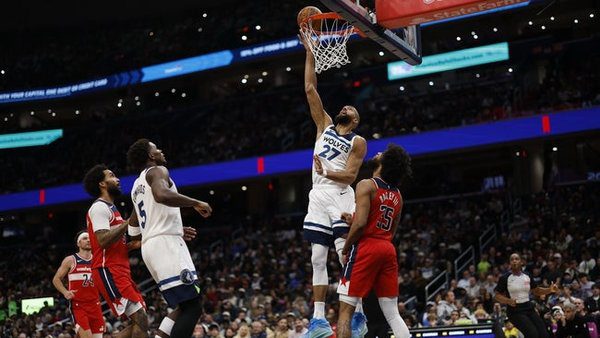
Lead-in: Our comprehensive betting guide for tonight’s Miami-Minnesota game covers everything from advanced efficiency ratings to the latest injury reports. Bryan Bash delivers his best bet for this Tuesday night battle.
The Setup: Heat at Timberwolves
Minnesota is laying 6 points at home against Miami on Monday night, and on the surface, this number makes sense. The Timberwolves are 23-13 overall and 12-6 at Target Center, while the Heat come in at 20-16 with a 7-10 road record. But here’s the thing — once you dig into what Miami is dealing with personnel-wise and how that impacts their ability to stay within striking distance over 96 possessions, this line starts to look like it’s giving the road team too much credit.
Let me walk you through why this line exists and why I think Minnesota covers it comfortably. The Heat just put up 125 points against New Orleans with Norman Powell going nuclear for 34 points on nine three-pointers. That’s the kind of performance that can skew perception heading into the next game. But the Timberwolves are coming off a 141-point demolition of Washington where Anthony Edwards dropped 35 and the offense looked as fluid as it’s been all season. When you’re trying to handicap a 6-point spread, you need to look past the box scores and focus on what travels — and what doesn’t.
Tyler Herro is questionable with a right toe contusion. That’s not just a stat — it’s how this game tilts. Herro is averaging 23.2 points per game and serves as Miami’s secondary creator alongside Powell. If he sits or plays limited minutes, the Heat’s offensive ceiling drops significantly, and their ability to generate efficient possessions against Minnesota’s length becomes a real problem.
Game Info & Betting Lines
Game Time: January 6, 2026, 8:00 ET
Venue: Target Center
Spread: Minnesota Timberwolves -6.0 (-110) | Miami Heat +6.0 (-110)
Moneyline: Timberwolves -233 | Heat +185
Total: Over/Under 237.5 (-110)
Why This Line Exists
The market landed on Timberwolves -6 for a few clear reasons. First, Minnesota holds a three-game cushion in the standings despite being seeded sixth in the West, which tells you they’re playing better than their conference rank suggests. They’re 12-6 at home, and when you factor in that Edwards is averaging 29.4 points per game with Julius Randle chipping in 22.3 and 5.7 assists, you’ve got a two-headed offensive attack that can score in multiple ways.
Miami, meanwhile, is 7-10 on the road. That’s a significant split, and it reflects a team that struggles to maintain its identity away from home. Powell is having a career year at 24.4 points per game, and Bam Adebayo remains a steady two-way presence at 17.3 points and 9.5 rebounds, but the supporting cast thins out quickly, especially if Herro can’t go.
The total sitting at 237.5 suggests the market expects a relatively high-scoring game, which makes sense given both teams have offensive firepower. But the spread at 6 feels like it’s accounting for Miami’s recent offensive output without fully weighing the defensive matchup problems they’ll face against Minnesota’s size and versatility. I keep coming back to this efficiency gap — the Timberwolves have more ways to score and more bodies to throw at Miami’s perimeter-heavy attack.
Miami Heat Breakdown: What You Need to Know
The Heat are built around three primary scorers: Powell, Herro, and Adebayo. Powell just went off for 34 against New Orleans, hitting 9-of-12 from three, but that kind of shooting variance doesn’t repeat itself game-to-game. His season average of 24.4 points is impressive, but it’s also coming on high volume, and when he cools off, Miami’s offense can stagnate quickly.
Herro’s status is the elephant in the room. At 23.2 points and 5.0 rebounds per game, he’s the secondary creator this team needs to keep defenses honest. If he’s out or limited, the offensive burden falls entirely on Powell and Adebayo, and that’s not a recipe for staying within a possession or two of a team like Minnesota that can rotate multiple defenders.
Adebayo is the one constant — 17.3 points, 9.5 rebounds, and solid defense. But he’s not a high-usage offensive player, and asking him to carry more of the scoring load against Rudy Gobert, who just posted his 15th double-double of the season, is a tough ask. Jaime Jaquez Jr. is also questionable with an ankle issue, which further depletes Miami’s rotation depth.
The Heat’s 7-10 road record isn’t just bad luck. It reflects a team that doesn’t have the defensive versatility or offensive consistency to win away from home against quality opponents. They’re 13-6 at home, which shows they can compete in the right environment, but Target Center isn’t that environment.
Minnesota Timberwolves Breakdown: The Other Side
The Timberwolves have the kind of two-way balance that makes them dangerous in this spot. Edwards is the engine, averaging 29.4 points per game and playing at an All-NBA level. Randle gives them a secondary scorer and playmaker at 22.3 points and 5.7 assists, and Jaden McDaniels adds another 14.4 points while providing elite perimeter defense.
What separates Minnesota from Miami is depth and versatility. Gobert anchors the defense and just grabbed 14 rebounds in the blowout win over Washington. His presence alone changes how teams attack the rim, and with Adebayo being Miami’s primary interior threat, Gobert can focus on protecting the paint and forcing the Heat into contested jumpers.
Minnesota’s 12-6 home record is built on their ability to control pace and dictate matchups. They’re not a team that relies on one style of play — they can push tempo with Edwards or slow it down and work through Randle in the post. That flexibility is crucial when you’re trying to cover a 6-point spread, because it means they can adjust to whatever Miami throws at them.
The Timberwolves are also relatively healthy. Terrence Shannon Jr. is out with a foot strain, but he’s a rotation piece, not a core contributor. Rocco Zikarsky was assigned to the G League, which tells you Minnesota’s main roster is deep enough to handle this matchup without needing to dig into their bench.
The Matchup: Where This Game Gets Decided
This matchup narrows the margin more than the line suggests — but in Minnesota’s favor, not Miami’s. The key is how the Timberwolves defend Miami’s perimeter-heavy attack. Powell and Herro (if he plays) are both high-volume shooters, but Minnesota has the length and discipline to contest shots without fouling. McDaniels can shadow Powell, and Edwards, despite being known for his offense, is a capable defender when locked in.
On the other end, Miami doesn’t have an answer for Edwards. He’s averaging 29.4 points per game and just dropped 35 on Washington. The Heat will likely try to throw multiple defenders at him, but that opens up opportunities for Randle and McDaniels to exploit mismatches. When you do the math over 96 possessions, Minnesota’s ability to generate efficient looks while limiting Miami’s best scorers creates a point differential that exceeds 6 points.
The Herro situation is the main swing factor. If he plays and is effective, Miami has a puncher’s chance to keep this within the number. But if he sits or is limited, the Heat’s offensive ceiling drops significantly, and Minnesota’s depth advantage becomes overwhelming. Gobert’s ability to protect the rim against Adebayo while Randle and Edwards control the perimeter is a matchup nightmare for a shorthanded Miami squad.
The total at 237.5 feels slightly high given Minnesota’s defensive capabilities, but with both teams capable of scoring in bunches, I’m more focused on the spread. The Timberwolves have the personnel, the home court, and the matchup advantages to win this by double digits.
Bash’s Best Bet & The Play
The Play: Minnesota Timberwolves -6.0 (-110) | 2 Units
I’ve accounted for the home court — and it still doesn’t get there for Miami. The Heat are 7-10 on the road, potentially without Herro, and facing a Timberwolves team that just put up 141 points and has every matchup advantage you’d want in a spread situation. Edwards and Randle are both playing at high levels, Gobert controls the paint, and Minnesota’s depth allows them to maintain intensity for 48 minutes.
The main risk here is Powell going supernova again and single-handedly keeping Miami within striking distance. But betting on back-to-back 9-for-12 three-point performances is how you lose money long-term. The more likely scenario is that Minnesota’s defense forces Powell into tougher looks, and without Herro’s secondary creation, the Heat struggle to generate enough efficient possessions to stay within 6.
When you factor in pace, efficiency, and rotation depth, this line feels like it’s giving Miami too much respect for one hot shooting night. Minnesota wins this by 10-plus. Lay the points.