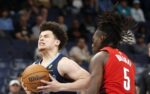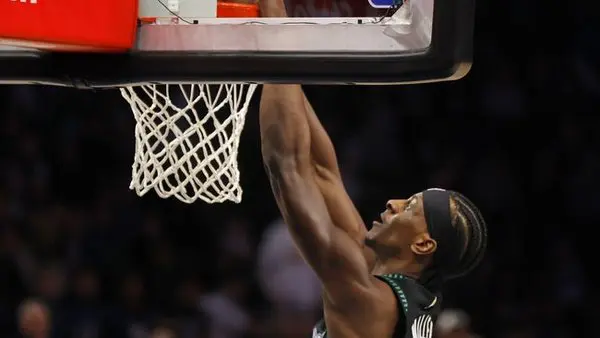
The Cleveland Cavaliers head to Minnesota to face Anthony Edwards and the Timberwolves in an elite cross-conference clash that favors the home-court defensive structure.
The Setup: Cleveland Cavaliers at Minnesota Timberwolves
The Minnesota Timberwolves are laying 2.5 points at home against the Cleveland Cavaliers on January 8th, and on the surface, this number makes sense. You’ve got two teams trending in opposite directions — Cleveland riding momentum with four wins in their last five, Minnesota coming off a 28-point demolition of Miami where Anthony Edwards looked fully healthy despite a foot injury scare. The market sees two competitive squads and splits the difference with a tight home number.
Here’s the thing — once you dig into the matchup data and account for how these teams actually generate offense and defend at their respective paces, that 2.5-point cushion starts to feel light for Minnesota. The Timberwolves sit at 24-13 with a 13-6 home record, while Cleveland checks in at 21-17 and 8-8 on the road. But records only tell you where they’ve been. Let me walk you through why this line exists and why the efficiency gap suggests Minnesota should control this game more comfortably than two possessions.
My thesis is straightforward: Minnesota’s defensive structure and home-court efficiency create a margin that’s wider than this spread suggests, even against a Cavaliers team that just put up 120 in Indianapolis. The Cavs are playing well, but this matchup narrows their offensive advantages while exposing their defensive vulnerabilities.
Game Info & Betting Lines
Game Time: January 8, 2026, 8:00 ET
Venue: Target Center
Spread: Minnesota Timberwolves -2.5 (-110) | Cleveland Cavaliers +2.5 (-110)
Moneyline: Timberwolves -147 | Cavaliers +119
Total: 240.0 (Over -110 / Under -110)
Why This Line Exists
The market landed on Timberwolves -2.5 because the surface-level narrative supports a tight game. Cleveland just got 29 points from Darius Garland in a road win at Indiana, with Garland scoring 14 in the fourth quarter to fuel a late 13-point run. That’s the kind of performance that keeps a team’s number respectable, even on the road against a quality opponent.
Minnesota counters with their own momentum — a 122-94 dismantling of Miami where Edwards dropped 26 points on 5-of-6 shooting from deep. That’s two wins over the Heat in four days, and Edwards looked explosive despite being listed as questionable pregame. The market respects both teams’ recent form and essentially gives Minnesota a standard home-court advantage.
But here’s what the line doesn’t fully account for: Minnesota’s 13-6 home split versus Cleveland’s 8-8 road record represents more than just wins and losses. The Timberwolves defend at an elite level at Target Center, and the Cavaliers’ road efficiency hasn’t been consistent enough to suggest they can hang in a grind-it-out game against a team with Anthony Edwards and Julius Randle controlling possessions.
The total sitting at 240.0 tells you the market expects a moderately paced, competitive game. That’s reasonable given both teams’ personnel, but I keep coming back to this efficiency gap — Minnesota has the defensive weapons to control tempo and force Cleveland into tougher shots than they got against Indiana’s porous defense.
Cleveland Cavaliers Breakdown: What You Need to Know
The Cavaliers are getting elite scoring from Donovan Mitchell, who’s averaging 29.8 points per game this season. That’s your primary offensive engine, and when Mitchell gets going, Cleveland can score with anyone. Darius Garland adds 17.5 points and 6.9 assists, giving the Cavs a legitimate two-headed backcourt that can create in pick-and-roll and isolation.
Evan Mobley provides 17.8 points and 8.8 rebounds, and his versatility on both ends makes Cleveland functional defensively. But here’s the concern: the Cavs are 8-8 on the road, and that split matters when you’re facing a Minnesota defense that thrives at home. Cleveland’s road efficiency hasn’t been sharp enough to suggest they can consistently execute against top-tier opponents away from Rocket Mortgage FieldHouse.
The injury situation also creates some depth concerns. Max Strus remains out after offseason foot surgery and won’t return until February, limiting Cleveland’s wing rotation. Larry Nance Jr. is out but potentially progressing, which doesn’t help tonight. That’s not just a stat — it’s how this game tilts when Minnesota can exploit rotational depth advantages.
Cleveland’s recent win over Indiana was impressive, but the Pacers have lost 13 straight games and aren’t exactly a defensive benchmark. The Cavs put up 120, but context matters. Minnesota presents a completely different defensive challenge.
Minnesota Timberwolves Breakdown: The Other Side
Anthony Edwards is the centerpiece here, averaging 29.3 points per game and playing at an All-NBA level. His 26-point, five-three performance against Miami showed he’s fully healthy despite the foot injury designation. When Edwards is on the floor at Target Center, Minnesota’s offensive ceiling is as high as anyone’s in the league.
Julius Randle adds 22.1 points, 7.1 rebounds, and 5.7 assists, giving the Timberwolves a second creator who can punish mismatches in the post or facilitate from the elbow. That’s a devastating one-two punch that Cleveland’s frontcourt will struggle to contain over 48 minutes. Jaden McDaniels chips in 14.5 points while providing elite perimeter defense, which matters significantly when you’re tasked with slowing down Mitchell and Garland.
Minnesota’s 24-13 record and fifth-place conference ranking reflect a team that’s figured out its identity after early-season adjustments. The 13-6 home record is particularly relevant here — the Timberwolves defend at an elite level at Target Center, and their ability to control pace and force opponents into half-court sets plays directly into their strengths.
The injury report is clean aside from Terrence Shannon Jr., who’s been out with a foot strain and wasn’t part of the regular rotation anyway. Minnesota is essentially at full strength, which matters when you’re comparing depth charts against a Cleveland team dealing with rotation limitations.
The Matchup: Where This Game Gets Decided
This game gets decided on the margins, and those margins favor Minnesota in multiple areas. Let’s start with the backcourt battle: Edwards and McDaniels defending Mitchell and Garland is a significant advantage for the Timberwolves. McDaniels has the length and lateral quickness to make Mitchell work for every shot, while Edwards can use his physicality to disrupt Garland’s rhythm in pick-and-roll.
On the other end, Cleveland doesn’t have a great answer for Edwards when he’s attacking downhill. Mobley can provide some help defense, but that leaves Randle in advantageous situations against Cleveland’s frontcourt depth. When you do the math over 95-100 possessions, Minnesota’s ability to generate quality looks while limiting Cleveland’s efficiency creates a point differential that exceeds 2.5 points.
The pace dynamic also favors Minnesota. The Timberwolves can control tempo at home, forcing Cleveland into half-court execution rather than transition opportunities. The Cavs’ road splits suggest they struggle when they can’t get out in transition, and Minnesota’s defensive discipline limits those chances.
I keep coming back to Cleveland’s road efficiency and Minnesota’s home defense. The Cavaliers are 8-8 on the road for a reason — they haven’t consistently executed away from home against quality opponents. Minnesota presents exactly the type of structured, physical defense that has given Cleveland problems this season.
The total at 240.0 feels about right, maybe even slightly high if Minnesota dictates pace. But the spread is where the value sits. This matchup narrows the margin more than the line suggests? Actually, it widens it. Minnesota’s advantages compound over the course of the game.
Bash’s Best Bet & The Play
The Play: Minnesota Timberwolves -2.5 (-110) | 2 Units
I’ve accounted for Cleveland’s recent momentum, Mitchell’s scoring ability, and the Cavs’ competitiveness — and it still doesn’t get there. Minnesota’s home-court advantage is real, their defensive matchups favor them significantly, and their offensive firepower with Edwards and Randle gives them multiple ways to control this game.
The main risk here is Mitchell going nuclear and single-handedly keeping Cleveland within striking distance. He’s capable of 40-point explosions, and if he gets hot early, the Cavs can hang around. But even accounting for that scenario, Minnesota’s depth and defensive structure should allow them to weather any Cleveland run and pull away in the second half.
This line should be closer to Timberwolves -4.5 or -5, which means we’re getting value at -2.5. When the efficiency gap, home-court advantage, and matchup dynamics all point in the same direction, you take the favorite and lay the short number. Minnesota wins this game by 6-9 points, and we cash comfortably at Target Center.