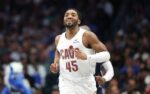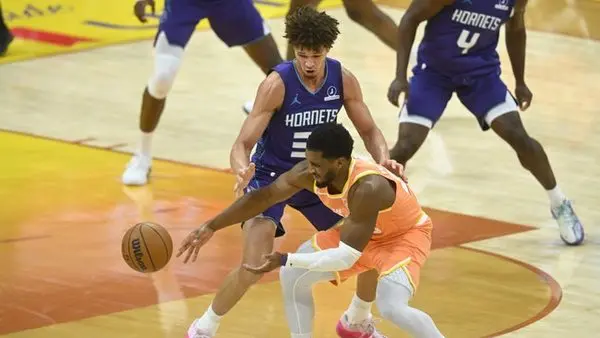
Cleveland is laying double digits at home, but with Evan Mobley sidelined, Bryan Bash explains why the market might be overvaluing the Cavaliers against a surging Pelicans squad.
The Setup: Pelicans at Cavaliers
The Cleveland Cavaliers are laying 10 points (Everygame) at home against the New Orleans Pelicans on December 23rd, and on the surface, this number makes sense. You’ve got a 16-14 Cavs team hosting an 8-22 Pelicans squad that’s been one of the league’s biggest disappointments this season. Cleveland just dropped 139 on Charlotte with Donovan Mitchell pouring in 30, while New Orleans is dealing with significant injury issues that have derailed their season. Let me walk you through why this line exists — and more importantly, why the market might be overvaluing Cleveland’s ability to cover this margin at home.
Here’s the thing — when you dig into what both teams are actually working with right now, this spread starts to feel stretched. The Pelicans are riding a five-game winning streak with Zion Williamson finding his rhythm, dropping 24 in their most recent win over Dallas. Meanwhile, Cleveland is missing Evan Mobley, their second-leading scorer at 19.1 points per game and their defensive anchor. That’s not just a stat — it’s how this game tilts. The Cavaliers are being asked to cover double digits without their most versatile two-way player, and I keep coming back to whether Mitchell and Garland alone can generate enough separation against a Pelicans team that’s finally found some momentum.
Game Info & Betting Lines
Game Time: December 23, 2025, 7:30 ET
Location: Rocket Arena
Spread: Cleveland Cavaliers -10.0 (-110) | New Orleans Pelicans +10.0 (-110)
Moneyline: Cavaliers -459 | Pelicans +342
Total: Over/Under 244.0 (-110)
Why This Line Exists
The market landed on Cleveland -10 for a few obvious reasons. First, you’ve got the record disparity — the Cavaliers sit at 16-14 and seventh in the Eastern Conference, while New Orleans is buried at 8-22 and thirteenth in the West. That’s an eight-game gap in the standings, and oddsmakers aren’t ignoring it. Second, there’s home court. Cleveland is 10-8 at home this season, and while that’s not dominant, it’s respectable enough to justify a healthy home number. Third, you’ve got New Orleans’ road struggles — the Pelicans are just 2-10 away from home, which is one of the worst road records in the league.
But once you dig into the matchup data, this number starts to look inflated. Cleveland is without Evan Mobley, who averages 19.1 points and 9.3 rebounds while serving as their primary rim protector. That’s a massive hole in both their scoring and defensive structure. The Pelicans, despite their poor record, are riding real momentum with five straight wins. Zion Williamson is averaging 21.5 points per game and just scored 24 with 10 straight points in a decisive fourth-quarter stretch against Dallas. Trey Murphy III is contributing 20.8 points per game, giving New Orleans a legitimate second scoring option.
The total sitting at 244 suggests the market expects a high-pace game with both teams pushing tempo. That makes sense given Cleveland’s recent offensive explosion — 139 points against Charlotte — but it also creates variance that works against large spreads. When you’re projecting a game in the 240s, you’re talking about roughly 100 possessions per team. Over that many possessions, a 10-point spread requires Cleveland to win by double digits despite missing their second-best player. That margin starts to feel stretched when you factor in New Orleans’ recent form.
New Orleans Pelicans Breakdown: What You Need to Know
Let me walk you through what the Pelicans are bringing into Rocket Arena. Yes, they’re 8-22 overall, but context matters. They’ve won five straight games, and that’s not against cupcakes — their most recent win came against a Dallas team that’s been competitive all season. Zion Williamson is the engine here, averaging 21.5 points with 5.8 rebounds and 3.7 assists. What matters more than the raw numbers is how he’s scoring — he’s getting to the rim consistently and drawing fouls, which slows the game down and creates free-throw opportunities that keep games close.
Trey Murphy III has emerged as a legitimate second option, averaging 20.8 points and 6.3 rebounds. That’s crucial because it means Cleveland can’t just load up on Zion. Jordan Poole adds another 17.0 points per game, giving New Orleans three players who can create their own offense. The main risk here is the injury situation — Herbert Jones is day-to-day with a sprained right ankle and didn’t return in their last game, while Dejounte Murray remains out. Jones is their best perimeter defender, and his absence could hurt against Mitchell and Garland.
But here’s what matters for this spread: New Orleans has found an offensive rhythm. When you’ve got three guys who can score in the high teens to low twenties, you’re not getting blown out easily. The Pelicans’ 2-10 road record is ugly, but winning streaks change team psychology. They’re playing with confidence right now, and confident teams don’t fold for double-digit margins without a fight.
Cleveland Cavaliers Breakdown: The Other Side
Cleveland’s offense runs through Donovan Mitchell, who’s having a monster season at 30.7 points per game with 5.4 assists. He just dropped 30 on Charlotte, and Darius Garland added 27 points with 10 assists in that same game. That backcourt duo is elite when they’re both clicking, and they’ve shown they can carry the offensive load. The problem is what happens when you remove Evan Mobley from the equation.
Mobley isn’t just Cleveland’s second-leading scorer at 19.1 points per game — he’s their defensive identity. At 9.3 rebounds and 4.1 assists, he’s the connective tissue that makes their defense work. Without him, the Cavaliers lose rim protection, pick-and-roll defense, and their most versatile defender. That’s a significant problem against a Pelicans team that attacks the paint with Zion. Cleveland is also missing Larry Nance Jr. and Max Strus, which thins out their rotation depth even further.
The Cavaliers’ 10-8 home record is solid but not dominant. They’re 6-6 on the road, which tells you they’re a good team but not a great one. When you’re asking a good team to cover 10 points without their second-best player, you’re banking on Mitchell and Garland to generate separation by themselves. That’s a lot to ask, especially against a team that’s won five straight and has multiple scoring options.
The Matchup: Where This Game Gets Decided
This matchup narrows the margin more than the line suggests, and it comes down to three factors: interior defense, pace, and scoring distribution. Without Evan Mobley, Cleveland has no elite rim protector to slow down Zion Williamson. Zion just scored 10 straight points in a crucial fourth-quarter stretch against Dallas, and he’s going to attack the paint relentlessly. When you do the math over 100 possessions, those extra paint points add up fast.
The total of 244 suggests both teams will push pace, which creates variance. High-scoring games tend to be closer games because there are more possessions where things can go right or wrong. Cleveland’s 139-point outburst against Charlotte shows they can score in bunches, but Charlotte’s defense is significantly worse than New Orleans’ when healthy. The Pelicans have enough defensive personnel — even without Herbert Jones — to make Cleveland work for their points.
Here’s where the efficiency gap matters: Cleveland needs to win by 11 or more to cover. That means they need to outscore New Orleans by roughly 0.11 points per possession over 100 possessions. With Mitchell and Garland carrying the offensive load and no Mobley to anchor the defense, that’s a narrow path. New Orleans has three guys averaging between 17 and 21 points per game, which means their scoring is distributed enough to stay in games even when one player struggles. Cleveland’s offense is more top-heavy — if Mitchell or Garland has an off night, they don’t have the depth to compensate without Mobley.
The main risk here is that Cleveland’s backcourt simply goes nuclear. Mitchell is capable of 40-point games, and if Garland matches his 27-point performance from the Charlotte game, the Cavaliers could blow this open. But I’ve accounted for the home court — and it still doesn’t get there. Cleveland is a good team playing without their second-best player against a team that’s won five straight. That’s not a recipe for comfortable double-digit wins.
Bash’s Best Bet & The Play
The Play: New Orleans Pelicans +10 (-110) | 2 Units
I keep coming back to the same question: How does Cleveland cover 10 points without Evan Mobley? Mitchell and Garland are elite, but they’re being asked to generate double-digit separation against a Pelicans team that has three legitimate scoring options and real momentum. Zion is attacking the rim with confidence, Trey Murphy III is giving them 20-plus per game, and Jordan Poole adds another scoring dimension. New Orleans isn’t just hanging around in games — they’ve won five straight, including a quality win over Dallas.
The total of 244 tells you this game is going to be played at pace, which means more possessions and more variance. That works in the underdog’s favor. Cleveland’s home court is worth something, but 10-8 at home isn’t dominant enough to justify laying double digits without your second-best player. This matchup narrows the margin more than the line suggests, and I’m comfortable taking the points with a team that’s playing its best basketball of the season.
The main risk here is Mitchell going supernova and dragging Cleveland to a blowout win by himself. That’s always possible with a player of his caliber. But when you’re laying 10 points, you need everything to go right — and Cleveland’s rotation depth just isn’t there without Mobley, Nance, and Strus. Give me the Pelicans to keep this within single digits, and I wouldn’t be shocked if they win outright.
Pelicans +10 for 2 units. Let’s cash it.