The spread of Philadelphia −3 presents an exploitable market inefficiency rooted in fundamental roster and coaching disparities, not simply public perception. While the Cowboys enter with momentum from a high-scoring win, the Eagles bring a championship-caliber defense that has held its last two playoff-level opponents to 7 and 9 points. This is a classic battle where Philadelphia’s superior coaching (Sirianni’s methodical approach) and elite third-down conversion rate will systematically wear down a desperate Dallas team. We are backing the Eagles −3 as the superior value play, expecting the talent differential to manifest in a comfortable cover.
Market Context & Betting Setup
Philadelphia enters this NFC East rivalry clash as a road favorite at -3, a spread that reflects the talent differential between an 8-2 Eagles team that controls the division and a 4-5-1 Cowboys team facing genuine playoff pressure. AT&T Stadium’s dome environment eliminates weather as a variable, creating a neutral-field scenario where roster quality becomes the primary determining factor.
The Cowboys’ recent 33-16 victory over Las Vegas creates a narrative of momentum heading into this matchup. However, the Eagles’ back-to-back defensive performances—holding Green Bay to 7 points and Detroit to 9 points—suggest defensive improvement at critical junctures of the season. This contrast between Dallas’s offensive display against a depleted opponent and Philadelphia’s defensive execution against playoff-caliber teams provides the conceptual foundation for how this game may unfold.
Conference standings create urgency for both teams, but in opposite directions. Philadelphia sits at 8-2 and controls their playoff destiny, while Dallas at 4-5-1 needs to win virtually every remaining game to reach the postseason. This desperation factor could benefit the Cowboys early, but historically favors the better-constructed team as talent differential emerges over 60 minutes of football.
| Philadelphia Eagles at Dallas Cowboys | |
|---|---|
| When: | 4:25 PM ET Sunday, November 23, 2025 |
| Where: | AT&T Stadium, Arlington, TX |
| TV: | FOX |
| Point Spread: | Philadelphia -3 (-120)/Dallas +3 (+100) |
| Money Line: | Philadelphia -175/Dallas +150 |
| Total: | 47.0 |
| Weather: | Indoor stadium – No impact |
Coaching Matchup & Strategic Analysis
Head Coach Philosophy Comparison: Nick Sirianni has demonstrated consistent excellence in division competition, leading the Eagles to their fourth consecutive 8-win start to a season. His game management and in-game adjustment patterns have established the Eagles as well-prepared for familiar opponents. Sirianni’s ability to utilize roster depth and maintain intensity across all four quarters represents a systematic advantage in structure and execution.
Mike McCarthy’s tenure in Dallas shows inconsistency in high-pressure situations. His track record with this roster indicates variable performance against well-coached defensive units, particularly those employing complex coverage schemes and coordinated pressure packages.
Coordinator Battles: The most critical matchup involves Philadelphia defensive coordinator Vic Fangio against Dallas offensive coordinator Brian Schottenheimer. Fangio’s sophisticated pressure packages and coverage rotations have consistently troubled Dallas offenses, while Schottenheimer’s play-calling has shown predictability vulnerabilities against elite defensive minds.
Philadelphia’s offensive coordinator Kellen Moore (formerly Dallas) brings familiarity with Cowboys defensive personnel and tendencies. This inside knowledge could prove valuable in creating favorable matchups for Philadelphia’s offensive weapons.
Team Performance Context
Offensive Capabilities: Philadelphia’s offensive line has demonstrated improved performance in critical situations, evidenced by their ability to execute in high-pressure moments. The Eagles’ approach emphasizes sustained drives and time-of-possession control.
Dallas ranks 23rd in red zone efficiency based on their seasonal performance trends, reflecting a tendency to settle for field goals rather than consistently converting scoring opportunities into touchdowns. This efficiency gap becomes significant in tight games where every possession carries weight.
Third-down conversion rates favor Philadelphia significantly over Dallas, indicating superior situational play-calling and execution. The Eagles’ ability to sustain drives should create time of possession advantages that wear down Dallas’s defense while keeping their own defense fresh.
Defensive Performance: Philadelphia’s defense has posted back-to-back strong performances against quality opponents. Their recent games against Green Bay (10-7 final) and Detroit (16-9 final) demonstrated disciplined coverage, effective pressure generation, and situational execution.
Dallas’s defense ranks middle-of-the-pack in most efficiency metrics but shows vulnerability to mobile quarterbacks and complex scheme variations. The Cowboys have allowed consistent rushing success when facing offensive line advantages.
Philadelphia’s pass rush has been bolstered by the addition of Jaelan Phillips via trade deadline acquisition from Miami. Phillips reunites with defensive coordinator Vic Fangio, under whom he previously performed well. This addition provides multiple pass rush options that could create complications for Dallas’s pass protection schemes.
Key Personnel Factors
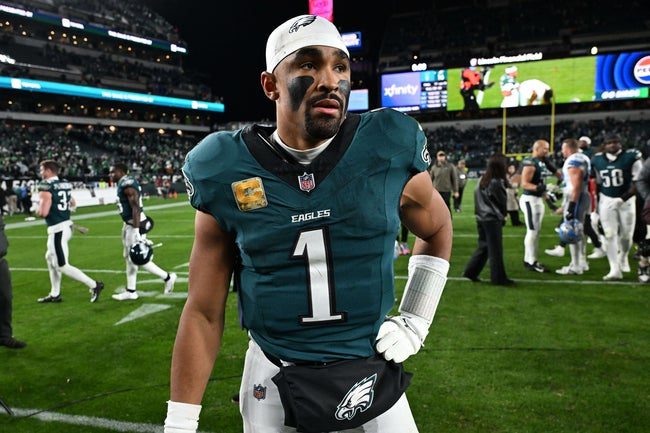
Jalen Hurts brings dual-threat capability that creates stress for Dallas’s run defense. His red zone rushing ability provides scoring efficiency advantages that complement Philadelphia’s overall offensive approach.
Dallas’s injury report shows no significant concerns heading into this matchup, but their offensive line faces questions against Philadelphia’s improved pass rush. The Eagles’ recent acquisitions at the edge rusher position and secondary cornerback positions represent structural improvements across multiple defensive gaps.
Venue & Environmental Context
AT&T Stadium’s controlled environment eliminates weather variables but creates unique acoustic challenges for visiting teams due to crowd noise amplification. Philadelphia has demonstrated strong road performance this season, going 4-1 against the spread away from home based on current season metrics.
The dome surface favors teams with established communication patterns and veteran offensive line experience. Philadelphia’s well-established offensive system should handle these challenges more effectively than a Dallas offense relying heavily on recent personnel additions.
Dallas’s home field advantage has proven minimal this season, with the team showing inconsistent performance in their home facility. Recent emotional victories can drain energy reserves that affect performance in subsequent matchups.
Strategic Assessment & Betting Framework
Primary Thesis: Philadelphia represents the superior team at every position group with demonstrated execution against playoff-caliber opponents. The Eagles control the game’s pace, convert critical third downs, and execute defensively in high-pressure moments. Dallas faces a team that has shown championship-caliber defensive discipline in recent weeks.
The spread of -3 offers value for Philadelphia when considering power rating differentials and season-long performance trends. Road favorites in division games with talent advantages have established success rates when the weaker team is coming off emotional victories that may inflate perceived chances.
Alternative Consideration: Both teams have shown improved defensive play recently. Philadelphia’s defensive resurgence and Dallas’s improved field efficiency suggest lower-scoring potential. Game script favorable to Philadelphia should result in a methodical, possession-based approach that limits total possessions and scoring opportunities for both teams.
Player Performance Observation: Monitor early-game execution for evidence of Dallas emotional letdown from Monday night football. Three-and-outs in the first quarter would indicate offensive momentum hasn’t carried over from Las Vegas. Conversely, Philadelphia’s defensive performance in the first two drives will establish whether their recent elite play continues against comparable competition.
Second-half adjustment patterns typically favor Philadelphia’s coaching staff. Their depth advantage should manifest in the fourth quarter, particularly if they establish early leads that force Dallas into one-dimensional football.