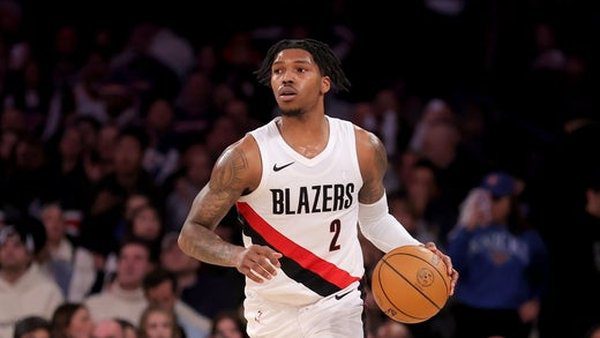
Donovan Mitchell is playing like an MVP, but can he beat the Blazers all by himself? With the Cavs’ frontcourt defensive anchor sidelined, the 2.5-point line feels like a trap. Bash delivers an ATS pick by looking at the interior mismatch at Moda Center.
The Setup: Cavaliers at Trail Blazers
Cleveland lays 2.5 points in Portland on Sunday night, and that’s a number that screams caution once you account for who’s actually suiting up. The Cavaliers arrive at 29-21 after their five-game winning streak ended in Phoenix on Friday, dropping a 126-113 decision to the Suns. Meanwhile, Portland sits at 23-26 and just got steamrolled 127-97 by the Knicks in New York. But here’s the thing—Cleveland is missing both Darius Garland (Grade 1 right big toe sprain) and Evan Mobley (strained left calf), two players who combine for nearly 36 points and 15 boards per night. That’s not just rotation depth; that’s core offensive creation and defensive rim protection. The Blazers are getting a wounded Cavs squad at home, and this line feels light until you run the possessions math on what Cleveland can still do with Donovan Mitchell carrying the offensive load.
Game Info & Betting Lines
Game Time: February 1, 2026, 9:00 ET
Location: Moda Center at the Rose Quarter
TV Network: Home: KUNP 16, BlazerVision | Away: NBA League Pass, FanDuel SN OH
Current Betting Lines (MyBookie.ag):
- Spread: Cleveland Cavaliers -2.5 (-110) | Portland Trail Blazers +2.5 (-110)
- Moneyline: Cleveland -149 | Portland +121
- Total: 230.0 (Over/Under -110)
Why This Line Exists
The market is giving Cleveland a short road number because Mitchell remains healthy and the Cavaliers still carry a better overall record at 29-21 versus Portland’s 23-26 mark. Cleveland’s 12-10 road split isn’t dominant, but it’s competent enough to justify a small spread against a Blazers team that’s 10-15 away from home and just got throttled by 30 in New York. The total at 230 reflects two teams that can score—Portland’s led by Deni Avdija averaging 25.5 points with 7.2 rebounds and 6.7 assists, plus Shaedon Sharpe at 21.9 per game. Cleveland counters with Mitchell’s 29.1 PPG, even without Garland’s 18 points and Mobley’s 17.9.
But the line exists in this range because the market knows Cleveland’s depth chart is compromised. Garland’s playmaking (6.9 assists per game) shifts more ball-handling responsibility onto Mitchell, and Mobley’s absence removes both interior scoring and defensive versatility. Portland gets to attack a Cavs frontcourt that’s relying on bench pieces to fill 36 minutes of production. The Blazers are also relatively healthy outside of Matisse Thybulle (thumb surgery, right knee tendinopathy) and Scoot Henderson (not yet debuted this season), with Blake Wesley questionable but potentially returning after an 8-to-12 week recovery window. Cleveland’s still favored because Mitchell’s individual firepower and Portland’s road struggles tilt the efficiency edge, but 2.5 points accounts for the Cavs’ compromised rotation.
Cavaliers Breakdown: What You Need to Know
Cleveland’s offense runs through Mitchell, and with Garland sidelined, that usage rate climbs even higher. Mitchell’s putting up 29.1 points per game with 5.8 assists, and he just scored efficiently against Phoenix despite the loss. The problem is sustainability—when your primary creator is handling 35-plus minutes and initiating nearly every halfcourt set, efficiency can dip in the fourth quarter, especially on the second night of a back-to-back situation. Except this isn’t a back-to-back for Cleveland; they played Friday in Phoenix and get a full day’s rest before Sunday’s 9:00 ET tip.
The real concern is frontcourt production. Mobley’s 17.9 points and 8.8 rebounds represent both scoring and defensive rim protection that Cleveland can’t easily replace. The Cavs will lean on role players like Nae’Qwan Tomlin, Jaylon Tyson, and Dean Wade to absorb those minutes, but none of them replicate Mobley’s two-way impact. Cleveland’s defensive efficiency takes a hit when they can’t protect the paint, and Portland’s got athletes like Sharpe and Avdija who can attack the rim in transition. The Cavaliers are still a competent road team at 12-10, but this version of Cleveland is thinner and more reliant on perimeter shooting to stay competitive.
Trail Blazers Breakdown: The Other Side
Portland’s 13-11 at home, and that’s where they’ve done their best work this season. Avdija’s emergence as a primary option—25.5 points, 7.2 boards, 6.7 assists—gives the Blazers a versatile scorer who can create mismatches. Sharpe adds another 21.9 per game, and Jerami Grant chips in 18.7 points. That’s three legitimate scoring threats, and against a Cleveland team missing its defensive anchor in Mobley, Portland can generate quality looks in the halfcourt.
The Blazers’ issue is consistency, particularly on the defensive end. They just gave up 127 points to New York, and Jalen Brunson and OG Anunoby combined for 50 in a blowout. Portland’s 23-26 record reflects a team that can score but struggles to get stops when it matters. Their 10-15 road mark shows they’re vulnerable away from Moda Center, but at home, they’ve been competitive enough to hang with better teams. The question is whether Cleveland’s compromised frontcourt gives Portland enough of an advantage to not just cover 2.5 but win outright. Wesley’s potential return adds another body, but his role and conditioning remain question marks after missing significant time.
The Matchup: Where This Game Gets Decided
This game comes down to whether Portland can exploit Cleveland’s interior defense and whether Mitchell can carry the offensive load for 40 minutes without Garland’s playmaking. Over a typical 95-100 possession game, Cleveland needs to stay efficient from the perimeter because they’re not getting the same paint production without Mobley. Mitchell can get his 30, but the Cavs need secondary scoring from role players who’ve been inconsistent all season.
Portland’s advantage is attacking the basket. Avdija’s 6.7 assists per game mean he’s not just scoring; he’s creating for Sharpe and Grant in transition and halfcourt sets. If the Blazers push pace and get out in transition before Cleveland’s defense can set, they generate the kind of high-percentage looks that inflate the total and keep the game tight. The Cavs’ best counter is slowing the game down, running offense through Mitchell in pick-and-roll, and forcing Portland to defend in the halfcourt where Grant and Avdija have to work harder on both ends.
The total at 230 feels reachable if Portland pushes tempo and Cleveland’s perimeter defense can’t compensate for Mobley’s rim protection. But if the Cavs grind this into a halfcourt game and Mitchell controls possessions, the under becomes viable. The spread at 2.5 reflects a game that should be decided by one or two possessions, and that’s exactly what happens when a shorthanded favorite faces a home team with enough offensive firepower to stay competitive.
Bash’s Best Bet & The Play
I’m taking Portland +2.5 for 2 units. Cleveland’s missing too much frontcourt production to lay a road number, even a short one, against a Blazers team that’s 13-11 at home. Mitchell will get his points, but without Garland’s playmaking and Mobley’s interior presence, the Cavs are relying on role players to step up in a tough road environment. Portland’s got three legitimate scorers in Avdija, Sharpe, and Grant, and they can attack a compromised Cleveland defense that’s thin in the paint.
The risk is Mitchell going supernova and dragging Cleveland to a narrow win, but even in that scenario, 2.5 points is enough cushion for Portland to stay within the number. The Blazers don’t need to win outright; they just need to keep it close, and with Cleveland’s depth chart issues, that’s the most likely outcome. This line should be closer to a pick’em once you account for who’s actually playing.
BASH’S BEST BET: Portland Trail Blazers +2.5 for 2 units.