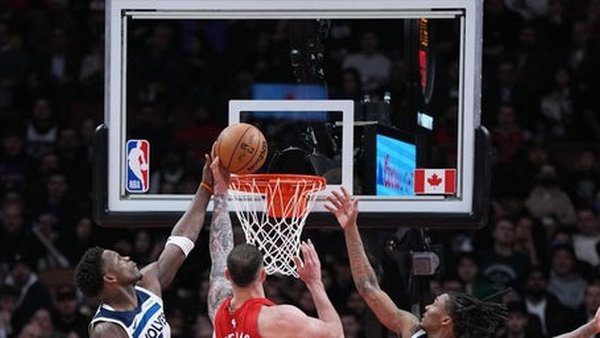
Toronto enters as a 9-point home favorite against a Bulls squad that has traded away three starters in the last 48 hours. Handicapper Bash breaks down why the Raptors’ defensive activity is the primary prediction for tonight’s matchup.
The Setup: Bulls at Raptors
Toronto is laying 8.0 points at home against a Bulls team that’s been gutted by injuries and trades, and the number makes immediate sense when you look at the roster math. Chicago sits at 24-27, riding a -3.0 plus/minus and missing Josh Giddey to a hamstring strain that’s already cost them five games. Toronto counters at 30-22 with a +1.3 plus/minus and a healthier rotation, even with Jakob Poeltl still sidelined. The Raptors are 14-12 at Scotiabank Arena, nothing dominant, but the Bulls are 9-16 on the road and just got torched in Milwaukee by a Bucks team missing its top two scorers. This line asks whether eight points properly accounts for Chicago’s depth issues and Toronto’s ability to control tempo at home. The answer sits in the efficiency gap and how many clean possessions each team can generate over 48 minutes.
Game Info & Betting Lines
When: Thursday, February 5, 2026, 7:30 ET
Where: Scotiabank Arena
Watch: Prime Video
Current Odds (MyBookie.ag):
- Spread: Bulls +8.0 (-110) | Raptors -8.0 (-110)
- Moneyline: Bulls +264 | Raptors -345
- Total: 226.0 (Over/Under -110)
Why This Line Exists
The eight-point spread reflects two realities: Chicago’s offensive firepower versus their defensive fragility and road struggles. The Bulls average 117.2 points per game, 3.4 more than Toronto, and they shoot 47.3% from the field and 36.8% from three. Those are legitimate numbers that keep them competitive in most spots. But the -3.0 plus/minus tells you they’re bleeding points on the other end, and that 9-16 road record confirms they can’t protect leads or close games away from home. Toronto scores less at 113.8 per game but maintains better defensive activity with 8.4 steals per night compared to Chicago’s 7.3. The Raptors also commit fewer turnovers at 14.0 per game versus Chicago’s 14.4, which matters in transition opportunities.
The total at 226.0 accounts for Chicago’s scoring ability but factors in Toronto’s home pace and the Bulls’ depleted rotation. Without Giddey, Chicago loses 18.6 points, 8.6 rebounds, and 8.8 assists per game—a massive hole in playmaking and secondary scoring. Ayo Dosunmu has stepped up at 15.0 points on 51.4% shooting and 45.1% from three, but he’s not a primary creator. The market expects Toronto to dictate tempo and force Chicago into contested possessions, which should keep the total manageable even with the Bulls’ offensive talent.
Bulls Breakdown: What You Need to Know
Chicago’s offense runs through committee now that Giddey is sidelined. Nikola Vucevic anchors the frontcourt at 16.9 points and 9.0 rebounds while shooting 50.5% from the field and 37.6% from three. That floor-spacing ability keeps defenses honest, and Vucevic’s 3.8 assists per game show he can facilitate from the high post. Dosunmu has been the revelation, hitting 51.4% overall and 45.1% from deep on increased usage. Matas Buzelis adds 14.9 points and 5.3 rebounds with solid two-way potential, and Collin Sexton provides 14.2 points off the bench with 48.8% shooting and 39.3% from three.
The problem is depth and defensive consistency. Chicago allows opponents to shoot quality looks in transition, and they’re averaging just 5.0 blocks per game with limited rim protection behind Vucevic. That 9-16 road mark isn’t random—they struggle to execute defensively in hostile environments, and they’ve lost five straight without Giddey’s playmaking to stabilize possessions. The recent loss in Milwaukee, where they gave up 131 points to a shorthanded Bucks squad, exposed how easily this defense cracks under pressure. On the road against a Toronto team that generates 29.4 assists per game, the Bulls will face constant ball movement and open looks.
Raptors Breakdown: The Other Side
Toronto’s offense flows through three capable scorers in Brandon Ingram, Scottie Barnes, and RJ Barrett. Ingram leads at 21.9 points per game on 47.0% shooting and 36.1% from three, giving them a go-to closer in tight spots. Barnes contributes 19.4 points, 8.4 rebounds, and 5.6 assists while shooting 50.3% from the field, though his 30.6% from three limits his floor spacing. Barrett adds 18.6 points and 5.2 rebounds at 47.9% shooting, and Immanuel Quickley runs the offense at 16.9 points and 6.1 assists per game. That’s four players who can create and score, which stresses defenses over full possessions.
The Raptors miss Jakob Poeltl’s interior presence, but Sandro Mamukelashvili has filled in admirably with 11.3 points and 5.1 rebounds on 52.6% shooting and 37.4% from three. Toronto’s defensive activity separates them—8.4 steals per game ranks among the league’s better marks, and they force turnovers that fuel transition opportunities. At home, they’re 14-12 but competitive in most matchups. The recent loss to Minnesota stings—they blew an 18-point lead and allowed Anthony Edwards to score 13 in the fourth—but that game showcased their ability to build comfortable margins before late-game execution issues.
The Matchup: Where This Game Gets Decided
This game hinges on Toronto’s ability to control possessions and force Chicago into half-court execution without Giddey’s playmaking. The Bulls average 29.5 assists per game, just 0.1 more than Toronto’s 29.4, but that margin disappears without their primary facilitator. Dosunmu and Sexton can handle the ball, but neither creates at Giddey’s volume. That shifts more responsibility to Vucevic in the high post, and Toronto can load up on his passing lanes while contesting his outside shooting.
The rebounding edge favors Chicago at 45.3 boards per game versus Toronto’s 43.1, but the Raptors grab 11.4 offensive rebounds compared to Chicago’s 10.1. Those second-chance opportunities matter in a game where half-court execution determines outcomes. Toronto’s defensive activity—8.4 steals and 4.8 blocks per game—should disrupt Chicago’s rhythm and create transition chances. The Bulls allow easy looks in transition, and Toronto’s four-headed scoring attack can exploit that weakness.
The total at 226.0 assumes Toronto dictates tempo and limits Chicago’s clean possessions. Over a 95-possession game, Toronto needs to hold the Bulls to 1.10 points per possession or lower while generating 1.15 on offense. That’s achievable given Chicago’s defensive struggles on the road and Toronto’s balanced attack. The Raptors shoot 47.2% from the field and 34.3% from three—not elite, but efficient enough when paired with defensive activity that creates extra chances.
Bash’s Best Bet & The Play
I’m laying the eight with Toronto at home. Chicago’s offense keeps them in games, but they’re 9-16 on the road for a reason—they can’t get stops when it matters, and without Giddey, they lack the playmaking to sustain scoring runs. Toronto’s defensive activity and balanced scoring give them multiple paths to cover, and that 14-12 home mark undersells their ability to control tempo at Scotiabank Arena. The Bulls just allowed 131 to a Milwaukee team missing its top two scorers, and Toronto has four players who can attack mismatches all night.
The risk is Chicago’s shooting variance. If Dosunmu, Sexton, and Vucevic all catch fire from three, they can hang around and keep this inside the number. But over 48 minutes, Toronto’s depth and defensive pressure should wear down a shorthanded Bulls rotation. Eight points accounts for Chicago’s offensive talent but doesn’t overvalue their road execution or rim protection. This line is tight but fair, and I trust Toronto to control possessions and pull away in the second half.
BASH’S BEST BET: Raptors -8.0 for 2 units.
Toronto handles business at home and covers the spread against a Bulls team that’s running out of answers on the road.