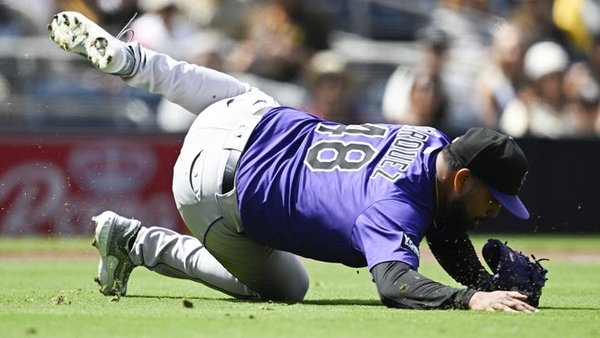
Both starters project poorly with Kikuchi’s 7.50 ERA facing Marquez’s 5.54 mark — but the bullpen battle will decide this one. The Angels depleted their relief corps in yesterday’s blowout while the line still sits at even money.
German Marquez vs Yusei Kikuchi: San Diego Padres at Los Angeles Angels Betting Preview
The market is offering even money on both sides at -110, but this pricing reflects a significant miscalculation of team quality beneath the surface numbers. While the Angels just dominated 8-0, that result creates recency bias that obscures San Diego’s 3.60 team ERA advantage over Los Angeles’ 4.08 mark – a gap that becomes crucial when both starters project for short outings. The core betting edge centers on the Padres’ bullpen superiority in what should evolve into a battle of relief corps by the sixth inning.
Both starters bring serious concerns – Marquez owns a 5.54 ERA while Kikuchi sits at 7.50 – but San Diego’s season-long metrics (13-7 record, +13 run differential) reflect better overall roster construction than the Angels’ more volatile 11-10 start. Yesterday’s blowout masks the fact that Los Angeles had lost 5 of their previous 8 games before that offensive explosion, suggesting potential letdown dynamics that even money pricing doesn’t account for.
Game Info & Betting Lines
- Date/Time: Saturday, April 18, 2026 | 9:38 PM ET
- Venue: Angel Stadium (Park Factor: 0.95 – slightly pitcher-friendly)
- Probable Starters: German Marquez (2-1, 5.54 ERA) vs Yusei Kikuchi (0-2, 7.50 ERA)
- Moneyline: San Diego -110 / Los Angeles -110
- Run Line: Los Angeles +1.5 (-186) / San Diego -1.5 (+153)
- Total: 9.5 (Over -118 / Under -102)
Why the Angels Moneyline Doesn’t Work Despite Surface Appeal
The temptation to back Los Angeles at even money makes sense on paper – they just destroyed San Diego 8-0 and Kikuchi’s 9.5 K/9 rate substantially exceeds Marquez’s 6.9 mark. Mike Trout continues his torrid pace with a 1.010 OPS, while the Angels’ offense has generated 34 homers compared to San Diego’s 17. The immediate momentum and superior strikeout potential create an appealing narrative.
However, the underlying metrics reveal why this apparent value is actually a trap. Kikuchi’s 1.89 WHIP reflects constant baserunner pressure from 10 walks in just 18 innings, creating the type of traffic that leads to big innings even against struggling offenses. More critically, the Angels used significant bullpen resources in yesterday’s blowout win, potentially compromising their depth for today’s contest when both teams will likely need 4-5 innings from their relief corps.
The Angels’ offensive explosion came against Matt Waldron making his season debut, not representative of the Padres’ season-long pitching quality. San Diego had allowed more than 5 runs just twice in their previous 13 games before yesterday’s aberration, indicating yesterday’s result was more outlier than trend shift.
What Separates the Pitching
Both starters present significant concerns, but the underlying metrics reveal important distinctions. Kikuchi’s arsenal centers around a 42.3% four-seam fastball at 94.0 mph that pairs with a devastating slider accounting for 32.1% of his offerings with a 29.4% whiff rate. When he locates properly, opposing hitters have managed just a 0.182 xwOBA against that slider.
Marquez relies more heavily on his 35.6% sinker at 92.6 mph, but opposing hitters have posted a concerning 0.515 xwOBA against that pitch this season. His most effective weapon has been a changeup generating a 23.5% whiff rate with a 0.306 xwOBA against, but at 25.5% usage, it’s not enough to carry his overall effectiveness. The Statcast data shows a clear arsenal advantage for Kikuchi when he commands the strike zone.
However, the gap narrows significantly when examining command issues. Kikuchi has walked 10 batters in just 18 innings, creating constant baserunner pressure that often leads to crooked numbers. His inability to consistently attack the strike zone means even inferior contact from San Diego could produce runs through traffic rather than quality at-bats. Both pitchers project for short outings, making the bullpen comparison crucial to the final outcome.
The Pushback
The most concerning aspect of backing San Diego involves the Statcast data that suggests this isn’t just bad luck for Kikuchi. His slider generates a 29.4% whiff rate with elite 0.182 xwOBA allowed, indicating legitimate swing-and-miss stuff that could completely neutralize a Padres offense that just got blanked. The Angels’ top-of-order metrics show significant contact quality advantages – Mike Trout’s 0.589 xwOBA leads a lineup that has demonstrated explosive capability.
More problematic is the Angels’ demonstrated ability to get to struggling pitchers early. Yesterday’s 8-0 margin came against a pitcher making his season debut, but it showcased Los Angeles’ capacity for big innings that can render late-game bullpen advantages irrelevant. Marquez’s sinker has been hammered for a 0.515 xwOBA, and if the Angels jump on him early like they did Waldron, San Diego’s relief advantages become moot.
The Statcast matchup data shows concerning trends for the Padres’ top hitters against left-handed pitching. Fernando Tatis Jr.’s splits show a 0.319 xwOBA vs LHP compared to 0.461 vs RHP, while Manny Machado actually performs better against lefties but sits at just 0.424 xwOBA in that split. If Kikuchi can throw strikes early, his arsenal advantages could dominate despite his overall struggles.
However, those command concerns remain paramount. Kikuchi’s 1.89 WHIP reflects an inability to consistently locate, and San Diego has proven capable of capitalizing on free passes throughout their 13-7 start. The Angels just expended significant bullpen resources, potentially creating depth issues for a game where both starters project poorly.
Run Environment & Game Shape
Angel Stadium’s 0.95 park factor creates a slightly pitcher-friendly environment that should benefit the superior bullpen. The total sits at 9.5, reflecting market expectations for offensive production despite both starters’ struggles. However, the game shape favors the team better equipped for late-inning execution rather than early offense.
The key betting edge comes from bullpen depth – San Diego’s relief corps has maintained their effectiveness throughout the season’s first month, while the Angels’ unit showed vulnerability before yesterday’s blowout helped their overall numbers. In a game where both starters project for 4-5 innings maximum, that late-game advantage represents the clearest path to value at even money pricing.
The Bottom Line
Even money on San Diego represents clear value based on superior season-long metrics that one blowout loss shouldn’t overshadow. The Padres’ bullpen ERA advantage and better run prevention create the foundation for success in what projects as a relief-dominated contest. While Kikuchi’s arsenal advantages are real, his command issues and the Angels’ depleted bullpen from yesterday’s extensive win create exploitable edges that the market hasn’t properly priced.
Take San Diego at -110. The market overreaction to yesterday’s result has created genuine value on the better team in a spot where their advantages should shine through.