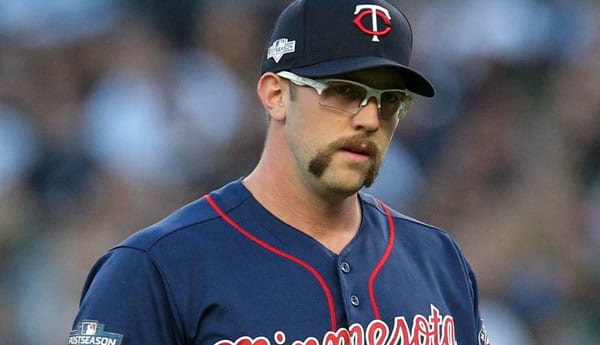
Sandlin’s 6.29 ERA grabs the headline, but it’s Dobnak’s 5.92 K/9 and sinker-heavy approach that create the real friction in this number. A playoff-chasing White Sox lineup featuring Murakami’s .484 xwOBA walks into a contact-management pitcher who doesn’t miss bats — and the moneyline at -125 hasn’t fully absorbed that mismatch.
David Sandlin vs. Randy Dobnak: Chicago White Sox at Kansas City Royals Betting Preview
After yesterday’s 5-4 Royals win delayed Chicago’s playoff clinching, the White Sox come back to Kauffman Stadium with their backs against the wall and a clear motivation gap staring them in the face. Kansas City is 68-90, 2-8 in their last 10, playing out the string. Chicago is 81-77, still chasing a postseason berth. That asymmetry matters — and the market at -125 isn’t adequately pricing it.
The pitching matchup on paper favors Kansas City. Randy Dobnak’s 3.08 ERA looks clean. David Sandlin’s 6.29 ERA looks alarming. But ERA at this stage of a season can be misleading, and Dobnak’s underlying peripherals tell a more complicated story than his surface number suggests. The real edge isn’t just about who’s starting — it’s about which lineup can do more damage with contact, and against Dobnak’s arsenal, that answer swings toward Chicago.
The -125 price on a playoff-hunting White Sox squad against a depleted Kansas City club with a bullpen in tatters is the value here. This isn’t a lock. But the motivational edge combined with the offensive mismatch against Dobnak’s low-strikeout profile makes the moneyline the cleaner number.
Game Info & Betting Lines
- Date/Time: Thursday, September 24, 2026 | 2:10 PM ET
- Venue: Kauffman Stadium | Park Factor: 0.95 (slight pitcher-friendly lean)
- TV: MLB.TV, Royals.TV, CHSN
- Probable Starters: David Sandlin (Chicago, 2-2, 6.29 ERA) vs. Randy Dobnak (Kansas City, 3-4, 3.08 ERA)
- Moneyline: Chicago White Sox -125 / Kansas City Royals +104
- Run Line: Chicago White Sox -1.5 (+134) / Kansas City Royals +1.5 (-163)
- Total: 8.5 (Over -122 / Under +102)
Why This Number Is Close
The market is doing real work setting this at -125. Dobnak’s 3.08 ERA is the headline that keeps this line from being -145 or steeper. Kansas City showed yesterday they can still compete — Maikel Garcia’s tiebreaking double in the seventh was a reminder that the Royals aren’t an automatic out, even when fading badly in the standings. The oddsmakers are also aware that Sandlin has been genuinely hittable: 6.29 ERA, 6 home runs allowed in just 34.1 innings. Yesterday’s opener Bryan Hudson lasted one out and allowed four runs — the market knows Chicago’s pitching situation is fragile.
The legitimate case for Kansas City at +104 is real. Bobby Witt Jr. (.427 xwOBA) and Jac Caglianone (.461 xwOBA) are dangerous enough against a soft-tossing righty like Sandlin, and Kansas City at home with a rested bullpen edge — at least on paper — keeps this number tight.
But here’s where the market slightly undersells the White Sox: Dobnak’s 3.08 ERA is masking a contact-heavy profile that Chicago’s power lineup is built to exploit. His 5.92 K/9 and 1.33 WHIP mean batters are putting the ball in play consistently — and Chicago has three hitters in the heart of the order with elite xwOBA marks against exactly this type of pitcher. The price at -125 is clean value for a team with a genuine win-or-go-home edge on motivation.
What Separates the Pitching
The comparison between these two starters is less about who is better and more about who is more dangerous for the opposition. Sandlin brings genuine swing-and-miss upside — his sweeper sits at a 38.5% whiff rate, and his curveball generates a .233 xwOBA against with a 25% put-away rate. His four-seam fastball sits at 96.5 mph and is used 31.5% of the time. At 8.65 K/9, Sandlin’s strikeout rate is legitimately solid and backs up what the pitch-level data shows — this isn’t just a guy with one good breaking ball, the swing-and-miss is real across his arsenal. The problem is his cutter: 28.6% whiff rate but a brutal .429 xwOBA against — when Kansas City makes contact off that pitch, it gets hit hard. Witt Jr.’s .427 xwOBA and Caglianone’s .461 xwOBA make them genuine threats to capitalize on any elevated cutter.
Dobnak is a different kind of problem. He leans heavily on his sinker — 38.4% usage at 91.5 mph — a pitch that generates a .379 xwOBA against and whiffs only 5.8% of the time. His sweeper (25.7% usage) and changeup (21.3%) give him secondary options, but the changeup’s .255 xwOBA is his best swing-and-miss pitch at 27.6% whiff rate. At 5.92 K/9, Dobnak is not a pitcher who blows hitters away — he survives on contact management, and that’s a high-wire act against a Chicago lineup featuring Munetaka Murakami (.484 xwOBA, 9.7% barrel rate), Miguel Vargas (.412 xwOBA), and Randal Grichuk (.420 xwOBA). Murakami in particular, with a .488 xwOBA against left-handed pitching and a .483 mark against righties, represents the biggest mismatch in this game. He doesn’t have a platoon split — he’s dangerous from either side, and Dobnak’s sinker-heavy approach leaves him exposed to exactly the type of elevated, hard contact Murakami generates.
The gap between these two starters isn’t ERA — it’s what the underlying data says about who creates dangerous innings. Dobnak creates contact volume. Chicago’s lineup punishes contact volume. And the K/9 split — Sandlin at 8.65, Dobnak at 5.92 — tells you which pitcher can actually limit damage when he gets into trouble.
The Pushback
The concern here is real and it starts with Sandlin. A 6.29 ERA in 34.1 innings isn’t a small-sample anomaly — it’s a pattern. Yesterday, Chicago’s opener Bryan Hudson recorded just one out while allowing four runs — the bullpen has been stretched, and if Sandlin exits early, Chicago is leaning on arms that have been heavily taxed. Kimbrel is on bereavement leave. Estevez, Mears, and Seabold are all on the 60-day IL. Kansas City’s bullpen is depleted too, but Connor Thomas and Steven Cruz shut Chicago down in the seventh through ninth yesterday. The Royals aren’t helpless once they hand it to their late-game guys.
There’s also a revenge-game narrative working against the White Sox here. Kansas City just beat them 5-4 as a spoiler. Garcia looked locked in. The Royals’ lineup — Witt Jr., Caglianone, Jensen — has the individual firepower to turn a shaky Sandlin start into an early deficit that Chicago can’t recover from.
I take those risks seriously. But they don’t move me off the moneyline. The question isn’t whether Kansas City can win — they clearly can, and they just did. The question is whether +104 is good enough value for a 68-90 team playing out the string against a club in a genuine must-win situation. It isn’t. Chicago’s motivation level today is structurally different from Kansas City’s, and that edge doesn’t disappear because Sandlin’s ERA is ugly.
Why I Passed on the Run Line
Chicago -1.5 at +134 was tempting. That’s plus money on a team I already like, and the number is attractive enough that it deserves a real look. But I passed, and here’s why.
The numbers project this as essentially a dead-even game — 4.5 runs apiece. A projected score that close makes counting on a multi-run margin a stretch. Sandlin’s 6.29 ERA makes it genuinely implausible to project him holding a lead deep enough that the White Sox win by two or more with regularity. One bad inning — which is well within his recent history — and Chicago is scrambling to tie rather than extend. On top of that, Chicago’s bullpen has been heavily used, and trusting a depleted relief corps to protect a lead by multiple runs in a high-stakes game is a bet I’m not willing to make.
The run line at +134 pays better, but it introduces separation risk that the underlying data doesn’t support. The moneyline at -125 gives me the team I want, without needing them to win convincingly. In a game that figures to be close, that distinction matters.
Run Environment & Game Shape
Kauffman Stadium plays slightly pitcher-friendly with a 0.95 park factor, which is a minor drag on run production but not enough to meaningfully suppress a high-scoring game between two offenses capable of putting up big numbers. Tuesday’s 14-11 slugfest between these same two teams is the reference point — these clubs have shown they can trade big innings in a hurry, and neither starter projects as a game-manager who can shut that down.
The total is set at 8.5, with the over priced at -122 and the under at +102. The over is marginally justified by the offensive profiles and the contact-heavy pitching matchup, but I’m not chasing a total when both starting pitchers carry meaningful ERA risk and bullpen depth on both sides is compromised. The run environment favors the team that scores early and forces the other to lean on a depleted relief corps — and that favors Chicago, which has the more consistent power in the lineup. The White Sox carry 203 home runs on the season compared to Kansas City’s 164, a meaningful gap that reflects a lineup built to do damage in bunches rather than manufacture runs with speed. When Dobnak’s contact-management approach breaks down, it tends to break down in multi-run clusters — exactly what Chicago’s three through five hitters are capable of delivering.
The Pick
Chicago White Sox moneyline -125, 2 units, moderate confidence.
The core thesis is straightforward: a postseason-chasing team at 81-77 with everything to play for against a 68-90 club that’s been playing out the string, going 2-8 in their last 10. The motivational asymmetry is real and it’s being underpriced at -125. On top of that, Chicago’s offensive profile — Murakami’s .484 xwOBA, Vargas at .412, Grichuk at .420 — is built to punish exactly the contact-heavy, low-strikeout approach Dobnak brings to the mound. His 5.92 K/9 and sinker-first profile leave him exposed to the kind of hard contact Chicago generates in the heart of the order.
Yes, Sandlin’s 6.29 ERA is a legitimate concern. Yes, the bullpen has been stretched. But at -125, you’re not paying a premium for a dominant performance — you’re paying for a team that needs this game more than the other side does, backed by an offensive mismatch that the underlying Statcast data supports. The run line at +134 was tempting but rejected — the numbers project a near-dead-even game, and Sandlin’s track record makes multi-run separation implausible. The moneyline clears the juice ceiling cleanly. That’s the number. Play it.
Bet: Chicago White Sox Moneyline -125 | 2 Units | Moderate Confidence