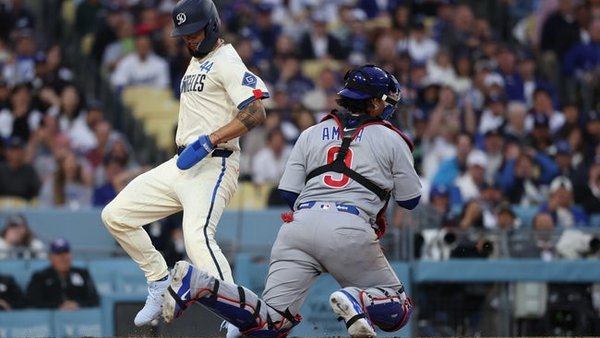
Glasnow’s 10.36 K/9 rate versus Alcantara’s 5.88 mark represents a massive strikeout gap. The -220 moneyline treats this like yesterday’s upset made them equals — the process tells a different story.
Sandy Alcantara vs Tyler Glasnow: Miami Marlins at Los Angeles Dodgers Betting Preview
The market is pricing this like a competitive pitching duel after Miami’s upset win yesterday, but the underlying metrics tell a different story. Tyler Glasnow brings a 10.36 K/9 rate and 0.697 WHIP against Sandy Alcantara’s pedestrian 5.88 K/9 and 1.113 WHIP. That’s not just a gap — it’s a chasm that the -220 moneyline doesn’t fully capture.
Yesterday’s 2-1 result creates market noise around Miami’s ability to compete, but Janson Junk’s six scoreless innings was an outlier performance against an off-day Shohei Ohtani start. Today’s matchup returns to form with two established starters where the quality difference is measurable and significant.
Game Info & Betting Lines
- Date/Time: Wednesday, April 29, 2026 | 3:10 PM ET
- Venue: Dodger Stadium (Park Factor: 0.98)
- Probable Starters: Sandy Alcantara (3-2, 3.05 ERA) vs Tyler Glasnow (3-0, 2.45 ERA)
- Moneyline: Miami Marlins +184 / Los Angeles Dodgers -220
- Run Line: Los Angeles Dodgers -1.5 (-102) / Miami Marlins +1.5 (-118)
- Total: 8.5 (Over +100 / Under -122)
Why This Number Is Too Wide
The -220 price reflects legitimate concerns about backing a heavy favorite after a loss, plus Miami’s proven ability to hang around in games. Xavier Edwards (.340 average) and Liam Hicks (.311 with 6 HRs) give the Marlins enough offensive pieces to scratch across runs against any pitcher.
But the market is overweighting yesterday’s result and undervaluing the pitching gap. Glasnow’s Statcast profile shows why: his knuckle curve generates a 51.9% whiff rate with just 0.173 xwOBA allowed, while his four-seam fastball sits at 95.4 mph. Alcantara’s arsenal lacks that same put-away power — his best secondary pitch (changeup) whiffs at 37.3%, but his primary fastballs generate minimal swing-and-miss.
The Dodgers also carry a 95-point OPS advantage (.807 vs .712) and a staggering +69 run differential gap compared to Miami’s -1. This isn’t a coin flip disguised as a mismatch.
What Separates the Pitching
The strikeout differential tells the story immediately: Glasnow’s 10.36 K/9 versus Alcantara’s 5.88 K/9 represents nearly five more strikeouts per nine innings. In a sport where avoiding contact matters, that’s massive. Glasnow’s 0.697 WHIP confirms his command superiority over Alcantara’s 1.113 mark.
Glasnow’s arsenal creates problems Miami hasn’t solved. His knuckle curve (24.2% usage, 80.5 mph) devastates righties with that 51.9% whiff rate, while Dalton Rushing (.563 xwOBA vs RHP) and Max Muncy (.520 xwOBA) represent nightmare matchups for Alcantara’s fastball-heavy approach. Alcantara relies on his sinker (23.4%) and four-seamer (23.0%) for nearly half his pitches, but neither generates significant whiffs against quality hitters.
The reverse matchup favors Los Angeles even more. Alcantara’s changeup represents his best weapon, but the Dodgers’ patient approach (116 walks in 30 games) forces him into the strike zone with lesser pitches. When Alcantara falls behind, his 97 mph fastballs become hittable against a lineup averaging 5.5 runs per game.
The Pushback
Yesterday’s loss stings because it happened with superior pitching expectations. Miami proved they can manufacture runs against elite arms, and Sandy Alcantara remains a quality starter with a 3.05 ERA who’s capable of matching zeros early.
The concern is Glasnow’s workload management — he’s thrown 33 innings across six starts, suggesting potential pitch count limitations that could hand the game to Los Angeles’ bullpen earlier than expected. If Glasnow exits after five innings in a 2-1 game, Miami’s late-inning pieces like Tyler Phillips become more relevant despite his blown save Monday night.
But I keep returning to the process over results. One game doesn’t erase the fundamental talent gap between these rotations or the offensive disparity that shows up in every meaningful metric.
Run Environment & Game Shape
The 8.5 total suggests the market expects a moderate-scoring game at neutral Dodger Stadium (0.98 park factor). This environment should favor Glasnow’s strikeout profile over Alcantara’s contact-management approach. When games stay in the 4-6 run range, the team with better pitching and hitting typically prevails.
Miami’s path requires early runs before Glasnow settles in and late-game magic from a bullpen that just blew a save. The Dodgers have multiple scoring avenues with their deeper lineup and more consistent offensive approach. In a projected 5-3 type game, the better team should cover the moneyline more often than -220 implies.
Joe Jensen’s Pick
JENSEN’S PICK: Los Angeles Dodgers ML — 0 Units
I looked at laying the 1.5 runs with the Dodgers, but yesterday’s tight game shows Miami can keep things close even when overmatched. The -102 price on the run line doesn’t offer enough value when the Marlins just proved their ability to play one-run baseball.
The moneyline makes sense directionally, but -220 is too expensive for a standalone play. This falls into beer money territory — I like the Dodgers’ superior pitching and hitting, but not enough to risk significant units at this price. Better suited as a parlay leg where the reduced payout matters less than the probability of the outcome.