I’m seeing a moneyline that feels right at first glance — decent home favorite, reasonable price — but the pitching gap between Braxton Ashcraft and Chase Burns suggests this number should be wider, and that creates the edge I’m looking for.
Braxton Ashcraft vs Chase Burns: Pittsburgh Pirates at Cincinnati Reds Betting Preview
The market has Cincinnati as a -136 home favorite against Pittsburgh, which looks standard for a home opener matchup. But when you dig into what drove outcomes last season, this price doesn’t fully account for the pitching disparity. Ashcraft’s 2.71 ERA and 1.25 WHIP last season establishes him as a legitimate middle-rotation arm, while Burns managed just a 4.57 ERA and 1.32 WHIP in limited action in 2025.
The noise around Opening Week — home crowds, fresh rosters, small sample sizes — can obscure what actually drives run prevention in baseball. Both teams are working with offensive lineups that struggled last season, making this primarily a pitching-driven game. Cincinnati has shown life early (2-1 record) while Pittsburgh sits at 1-2 with a -5 run differential, but those numbers matter less than what happens between the lines when these starters take the mound.
Game Info & Betting Lines
- Date/Time: Monday, March 30, 2026 | 6:40 PM ET
- Venue: Great American Ball Park (Park Factor: 1.10)
- Probable Starters: Braxton Ashcraft (PIT) vs Chase Burns (CIN)
- Moneyline: Pittsburgh Pirates +113 / Cincinnati Reds -136
- Run Line: Cincinnati Reds -1.5 (+159) / Pittsburgh Pirates +1.5 (-194)
- Total: 8 (Over -108 / Under -112)
Why This Number Is Close But Not Quite Right
The market is balancing legitimate factors here. Cincinnati gets the standard home field boost, they’re 2-1 to start the year while Pittsburgh sits 1-2, and Burns does bring strikeout upside with 13.9 K/9 last season. The Reds also just took two of three from Boston, including a walk-off win Saturday that shows some offensive life.
But the line feels like it’s pricing in home field and early season records without fully weighing the pitching gap. Ashcraft’s 2.71 ERA represents 1.85 runs per game better than what Burns posted in 2025. Even accounting for small sample size concerns and the fact that Burns showed flashes of dominance, that’s a significant edge that the -136 price doesn’t fully capture. The market seems to be splitting the difference between the pitching mismatch and situational factors, creating a spot where the better pitcher is getting slightly too much value as the road dog.
What Separates the Pitching
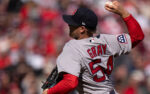
The head-to-head comparison heavily favors Pittsburgh’s Ashcraft, who posted elite run prevention numbers across 69.2 innings last season. His 2.71 ERA and 1.25 WHIP show consistent effectiveness, while his 9.2 K/9 with just 24 walks demonstrates strong command. Most importantly, he allowed only 3 home runs all season, showing the kind of contact management that translates directly to lower run totals.
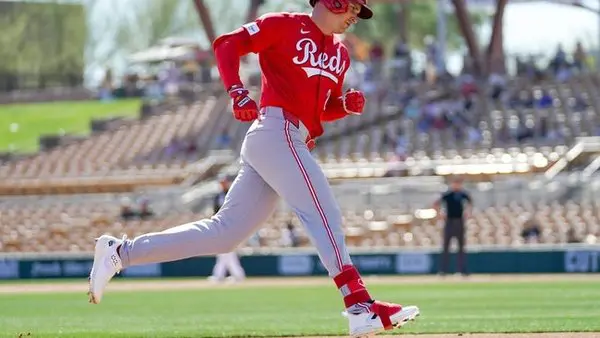
Burns brings different strengths but concerning vulnerabilities. His 13.9 K/9 last season is elite strikeout stuff, but the 4.57 ERA tells you those strikeouts weren’t enough to prevent runs. The 43.1 innings represent a limited sample, and his 5 home runs allowed in that span suggests he’s prone to the big inning that can decide close games. While Burns has the raw ability to dominate on any given day, Ashcraft profiles as the pitcher more likely to keep this game in a tight, manageable range where one or two runs decide the outcome.
This gap matters significantly in what projects as a lower-scoring environment. Both lineups struggled for consistent offense last season, with Cincinnati’s JJ Bleday (.212 average) and Pittsburgh’s Tommy Pham (.245 average) representing their most reliable contributors. In a game where runs will be premium, the pitcher who consistently limits traffic creates the cleaner path to victory.
The Pushback
The concern is that this reasoning could be too focused on last year’s numbers while ignoring current reality. Burns did show flashes of dominance with that elite strikeout rate, and sometimes pitchers with his profile find another gear when they get consistent opportunities. His stuff might be better than Ashcraft’s, even if the results weren’t there in limited action.
Pittsburgh also just won 4-3 against the Mets behind strong performances from Brandon Lowe, who’s been their most consistent early-season performer with 3 homers in the weekend series. There’s always the risk that Cincinnati’s 2-1 start represents noise rather than signal, especially when their offensive numbers from last season suggest they’ll struggle to score consistently. The flip side of backing the better pitcher is that you still need your team to generate runs, and Pittsburgh’s lineup doesn’t inspire overwhelming confidence either.
That said, what brings me back to the original thesis is the price. At +113, you’re getting meaningful value on the pitcher who should be favored individually. The market is essentially making this a pick’em based on home field advantage, but the pitching gap feels significant enough to overcome that edge.
Run Environment & Game Shape
Great American Ball Park’s 1.10 park factor provides a slight boost to offense, but both starting pitchers profile well for this environment. Ashcraft’s home run suppression becomes even more valuable in a park that can reward mistakes, while Burns’ strikeout ability might help him navigate any traffic he allows.
The game shape favors Pittsburgh’s approach. If Ashcraft can work efficiently through the Cincinnati lineup and keep the game close through six innings, Pittsburgh’s offense has shown enough life early in the season to capitalize on scoring opportunities. With both teams carrying question marks offensively, the pitcher who gives his lineup the best chance to work with a clean slate late in the game holds the advantage.
The Pick
I considered the run line at +1.5 (-194), but that price doesn’t offer enough value when you’re already getting plus money on the moneyline with the better pitcher. The straight win bet at Pittsburgh Pirates +113 provides the cleaner path to profit if the pitching advantage plays out as expected.
This comes down to backing proven run prevention over strikeout upside in a game where runs will be at a premium. Ashcraft’s track record of limiting damage gives Pittsburgh the edge the market isn’t fully pricing in.
Pick: Pittsburgh Pirates +113