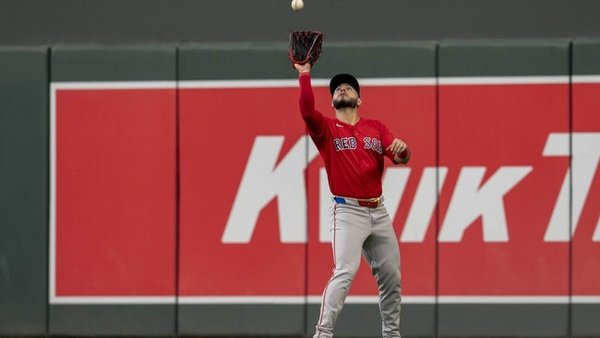
Early’s 9.88 K/9 rate says one thing — the -131 price is still treating this like Minnesota’s recent hot streak matters more than today’s starter mismatch.
Connelly Early vs Simeon Woods Richardson: Boston Red Sox at Minnesota Twins Betting Preview
After watching Byron Buxton torch Boston for four hits and four runs in yesterday’s 6-0 shutout, the natural instinct is to fade the Red Sox again. Minnesota looks like the better team at 10-7, Boston sits last in the AL East at 6-10, and Target Field has been kind to the Twins lately. But sometimes the obvious narrative obscures the daily reality that matters most: who’s on the mound.
Today’s pitching matchup tells a different story than the team records suggest. Connelly Early brings a 9.88 K/9 rate and pristine home run prevention to the table, while Simeon Woods Richardson has already surrendered three long balls in just 15.2 innings. The market is pricing team form over starter quality, creating a window where the better pitcher comes at a reasonable price.
Game Info & Betting Lines
- Date/Time: Wednesday, April 15, 2026 | 1:40 PM ET
- Venue: Target Field (Park Factor: 1.00)
- Probable Starters: Connelly Early (0-0, 2.63 ERA) vs Simeon Woods Richardson (0-2, 4.60 ERA)
- Moneyline: Boston Red Sox -131 / Minnesota Twins +109
- Run Line: Minnesota Twins +1.5 (-156) / Boston Red Sox -1.5 (+129)
- Total: 8 (O -115 / U -105)
Why This Number Is Close But Not Right
The -131 price on Boston reflects legitimate concerns about backing a last-place team on the road against a club that’s won eight of nine. Minnesota has the better record, the home field, and momentum after dismantling Red Sox pitching for 19 runs across two games. The market is also accounting for Boston’s offensive struggles — they’ve managed just 68 runs in 16 games while striking out 141 times.
But here’s where I think the line gets it wrong: it’s weighing season-long team performance over the daily starter matchup that actually determines today’s outcome. Early’s 2.63 ERA and 15 strikeouts in 13.2 innings represent the kind of swing-and-miss dominance that can neutralize lineup quality. Meanwhile, Woods Richardson’s 4.60 ERA and those three home runs allowed suggest vulnerability that Boston’s power hitters can exploit. The -131 price feels like it’s pricing Minnesota’s hot streak rather than acknowledging the clear pitching edge.
What Separates the Pitching
Early’s arsenal showcases the kind of deception that generates strikeouts. His four-seam fastball sits at 94.2 mph with a 21.1% whiff rate, but the real weapon is his changeup at 83.7 mph that holds hitters to a .330 xwOBA. The 11 mph velocity gap creates the timing disruption that explains his 9.88 K/9 rate. His slider adds another wrinkle at 87.2 mph with a 26.5% whiff rate, giving him three distinct looks that have prevented home runs entirely through 13.2 innings.
Woods Richardson operates from a more predictable foundation. His four-seam fastball dominates usage at 42.7% but generates just a 17.4% whiff rate at 92.0 mph — two ticks slower than Early’s heater. The split-finger offers some deception at 85.9 mph, but hitters are posting a .465 xwOBA against it, suggesting they’re beginning to time the pitch. His slider shows promise with a 26.9% whiff rate, but the overall profile lacks the swing-and-miss consistency that Early brings.
The strikeout differential tells the whole story: Early’s 9.88 K/9 rate nearly doubles Woods Richardson’s 4.60 K/9. In a game where both offenses are struggling (.236 vs .230 team batting averages), the pitcher who can miss bats holds a massive advantage. Early has also shown better command with zero home runs allowed, while Woods Richardson’s three long balls in 15.2 innings suggest he’s leaving pitches in dangerous locations.
The Pushback
The concern here is sample size and recent momentum working against this thesis. Early has thrown just 13.2 innings — barely two starts worth of evidence. His 1.54 WHIP suggests he’s been fortunate despite the strikeouts, and a young pitcher facing a lineup that just scored 19 runs in two games could get overwhelmed quickly. Woods Richardson, despite the struggles, has been better lately and benefits from a bullpen that’s rested after yesterday’s blowout.
Minnesota’s offensive surge also can’t be ignored. Byron Buxton looks locked in with four hits yesterday, and Josh Bell is posting a .900 OPS from the cleanup spot. The Twins have homered in 26 consecutive games in their home ballpark, and Early’s tendency to work around the zone (eight walks in 13.2 innings) could lead to mistakes against aggressive hitters. But even acknowledging these risks, the fundamental pitching gap remains too wide for a price this close. Early’s strikeout dominance should create enough margin for error to overcome Minnesota’s recent hot hitting.
Run Environment & Game Shape
The total of 8 reflects the market’s expectation of a pitcher-friendly environment, and Target Field’s neutral park factor supports that outlook. Both teams are averaging around 4-5 runs per game this season, but recent offensive showings suggest scoring potential exists. Yesterday’s 6-0 result and Monday’s 13-6 slugfest indicate these lineups can produce when they connect, but Early’s strikeout rate should keep Minnesota’s power in check.
This projects as a game decided by 1-2 runs, where the starting pitcher who can work deeper creates the decisive advantage. Early’s swing-and-miss stuff gives him a better chance to reach six innings, while Woods Richardson’s home run issues could force Minnesota’s bullpen into earlier action. In a tight scoring environment, that kind of depth matters significantly.
Joe Jensen’s Pick
JENSEN’S PICK: Boston Red Sox Moneyline -131 — 1 Unit
I looked at the run line here, but both offenses are struggling enough (.236 vs .230 team averages) that I can’t confidently project multi-run separation despite the pitching edge. This feels like a tight game where Boston wins 5-4 or 4-3, making the moneyline the cleaner play than hoping for -1.5 coverage.
The confidence level is modest given the early-season sample sizes and Minnesota’s recent momentum, but the strikeout differential between these starters is too significant to ignore. Early’s 9.88 K/9 rate against Woods Richardson’s 4.60 K/9 creates the kind of daily edge that transcends team records. At -131, we’re getting reasonable value on the superior pitcher in what should be a competitive game.