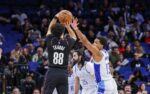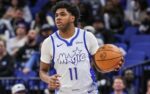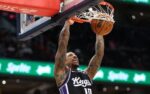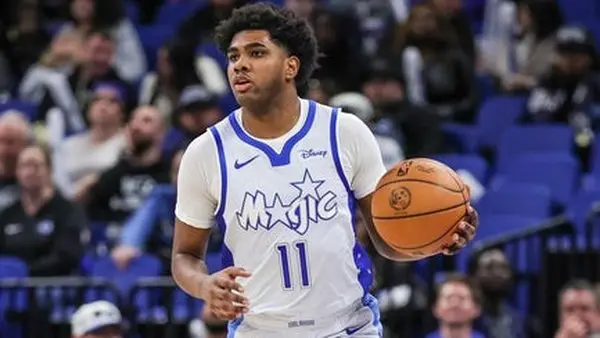
The Orlando Magic host the Utah Jazz in a cross-conference clash that finds both teams navigating a flurry of roster changes and injuries. Our analytical preview breaks down the efficiency gap and provides an ATS pick based on Utah’s top-tier scoring average and Orlando’s defensive resilience at the Kia Center.
The Setup: Utah Jazz at Orlando Magic
Orlando is laying 7.5 at home against a Utah squad that’s been outscored by 8.5 points per game this season. The Jazz are 6-19 on the road, and the Magic are a respectable 15-8 at the Kia Center. But here’s the issue: the numbers behind this spread don’t add up to seven-and-a-hook once you account for what Utah actually does well and what Orlando is missing. Franz Wagner remains out, and while Paolo Banchero and Desmond Bane have picked up the slack, this Magic offense doesn’t have the same ceiling without Wagner’s creation and efficiency. Utah’s been awful, no question—but they’re averaging 118.3 points per game, and they’ve got three guys who can score in bunches. The market is begging you to fade a bad team on the road. I’m not buying it at this number.
Game Info & Betting Lines
Utah Jazz at Orlando Magic
📅 Date: Saturday, February 7, 2026
🕐 Time: 7:00 ET
🏟️ Venue: Kia Center
📺 TV: Home: FanDuel SN FL | Away: NBA League Pass, KJZZ-TV, Jazz+
Current Betting Lines (Bovada):
Spread: Orlando Magic -7.5 (-115) | Utah Jazz +7.5 (-105)
Moneyline: Orlando Magic -300 | Utah Jazz +250
Total: Over/Under 238.0 (-110)
Why This Line Exists
The market sees a 16-36 team traveling to face a 26-24 home favorite and assumes the gap is wide enough to justify 7.5. Orlando’s got the better record, the better plus/minus (-0.5 versus -8.5), and home court. That’s the surface logic. But dig into the matchup stats and the picture gets murkier. Utah averages 3.3 more points per game than Orlando—118.3 to 115.0. They shoot better from the field (46.8% to 46.4%) and from three (35.1% to 34.1%). They dish out 3.8 more assists per game. Yes, they turn it over more and play worse defense, but this isn’t a team that gets blown out because they can’t score. They get blown out because they can’t get stops. Orlando’s defensive activity edge—8.4 steals and 5.1 blocks per game compared to Utah’s 7.9 and 3.5—matters, but it doesn’t justify a full touchdown when the Jazz have the offensive firepower to keep this competitive. Walker Kessler is out for the season, which hurts Utah’s interior defense, but Keyonte George is questionable with a left ankle sprain and could return. If he plays, that’s another scoring and playmaking option alongside Lauri Markkanen and Jaren Jackson Jr. The line assumes Orlando’s home edge and record advantage are worth seven-and-a-half. I’m not convinced.
Utah Jazz Breakdown: What You Need to Know
Utah’s offense is better than their record suggests. Lauri Markkanen is averaging 27.1 points per game on 47.7% shooting and 36.1% from deep. Keyonte George—if he returns—adds 24.2 points and 6.6 assists per game. Jaren Jackson Jr. chips in 19.2 points and provides some rim protection with 1.5 blocks per game. Brice Sensabaugh gives them another scoring option off the bench at 12.2 per game. The issue isn’t scoring—it’s defense and consistency. They’re allowing opponents to shoot efficiently and they don’t force enough turnovers. But in a game where Orlando is missing Franz Wagner, who averages 22.2 points and 6.1 rebounds, Utah’s offensive firepower becomes more relevant. The Jazz are 6-19 on the road, but that record includes games where they were competitive and lost late. This isn’t a team that folds—they just don’t have the defensive structure to close out tight games. Against a Wagner-less Magic squad, they don’t need to be perfect. They just need to stay within striking distance.
Orlando Magic Breakdown: The Other Side
Orlando’s been solid at home—15-8—but they’re not dominant. Paolo Banchero is averaging 21.6 points, 8.6 rebounds, and 4.8 assists, and Desmond Bane adds 19.2 points per game. Jalen Suggs just posted his first career triple-double with 15 points, 11 rebounds, and 11 assists against Brooklyn, which shows the kind of secondary creation they need with Wagner out. Anthony Black is contributing 15.8 points and 4.1 assists per game. The problem is efficiency. Orlando shoots 46.4% from the field and just 34.1% from three. They commit fewer turnovers than Utah—14.0 per game versus 15.7—but they also don’t generate as much offense. Their plus/minus of -0.5 tells you they’re barely breaking even on the season. At home, they’ve been better, but this isn’t a team that blows out opponents consistently. They grind out wins with defense and timely shotmaking. Against a Utah team that averages 118.3 points per game and shoots nearly 47% from the field, Orlando’s going to have to score more than their season average of 115.0 to cover this spread comfortably.
The Matchup: Where This Game Gets Decided
This game comes down to whether Orlando can force Utah into enough bad possessions to justify a seven-and-a-half-point margin. Utah’s turnover rate—15.7 per game—is exploitable, and Orlando’s defensive activity gives them a chance to create transition opportunities. But Utah’s assist rate of 30.1 per game means they’re moving the ball and generating open looks. Markkanen, George (if he plays), and Jackson Jr. can all create their own shots, which limits Orlando’s ability to dictate tempo. The rebounding edge is negligible—Utah averages 43.8 boards per game, Orlando 43.6—but Utah’s 11.8 offensive rebounds per game compared to Orlando’s 11.4 could lead to second-chance points that keep possessions alive. Orlando’s biggest advantage is home court and their ability to protect the rim with 5.1 blocks per game. But without Wagner’s scoring and creation, they’re relying heavily on Banchero and Bane to carry the offense. If Utah can keep this game in the 115-120 range for both teams, they’ll cover. If Orlando pushes the pace and forces turnovers into transition, they might pull away late. The total of 238.0 assumes both teams can score efficiently, which feels high given Orlando’s offensive limitations without Wagner.
Bash’s Best Bet & The Play
I’m taking Utah +7.5 for 2 units. This line overvalues Orlando’s home edge and undervalues Utah’s offensive firepower. Markkanen, George (if active), and Jackson Jr. give the Jazz enough scoring punch to stay within a possession or two, and Orlando’s offense without Wagner doesn’t have the ceiling to blow this open. The Magic are 15-8 at home, but they’re not covering big spreads consistently. Utah’s 6-19 on the road, but they’ve been competitive in losses and they’ve got the shooting to keep this close. The total feels inflated at 238.0—I’d lean under if forced to pick a side—but the real value is on the Jazz to cover. Orlando wins, but Utah keeps it within a basket or two late. The main risk is turnovers—if Utah coughs it up 18-20 times and Orlando converts those into easy transition buckets, the Magic could pull away in the fourth. But I trust Utah’s offense to execute enough half-court sets to stay within the number. This line is soft, and I’m selling high on Orlando’s home edge.
BASH’S BEST BET: Utah Jazz +7.5 for 2 units.