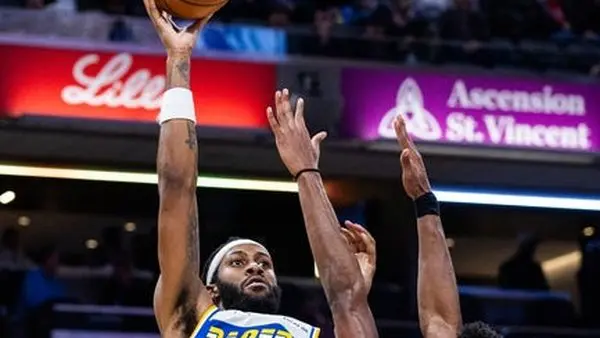
With Jaren Jackson Jr. set to debut for Utah and Indiana resting their stars, Gainbridge Fieldhouse is hosting a mismatch of historic proportions. Bash delivers the truth on the 3.5-point opening spread.
The Setup: Jazz at Pacers
Indiana lays 3.5 at home against Utah on Tuesday night, and the market’s telling you these teams are closer than their records suggest. The Pacers sit 13-37 overall but 10-17 at Gainbridge Fieldhouse, while the Jazz limp in at 15-35 with a brutal 5-18 road mark. But here’s what matters: this line isn’t about who wins—it’s about how many possessions get manufactured between two teams that can’t defend consistently. The total sits at 236.5, and once you run the personnel math without Walker Kessler anchoring Utah’s interior and Tyrese Haliburton orchestrating Indiana’s tempo, that number starts looking soft.
Both squads are missing their defensive identity players. The Jazz lost Kessler for the season, eliminating their rim protection and altering their entire defensive structure. The Pacers are without Haliburton for the year, which strips away their best defensive communicator and forces Andrew Nembhard into extended ball-handling duties. What you’re left with is two offenses that can score—Lauri Markkanen averaging 27.4 points for Utah, Pascal Siakam putting up 23.8 for Indiana—but two defenses that struggle to get consecutive stops. That’s a total waiting to be attacked.
Game Info & Betting Lines
Game Time: February 3, 2026, 7:00 ET
Location: Gainbridge Fieldhouse
TV Network: Home: FanDuel SN IN | Away: NBA League Pass, KJZZ-TV, Jazz+
Current Odds (MyBookie.ag):
- Spread: Indiana Pacers -3.5 (-110) | Utah Jazz +3.5 (-110)
- Moneyline: Indiana Pacers -165 | Utah Jazz +134
- Total: Over 236.5 (-110) | Under 236.5 (-110)
Why This Line Exists
The market landed on Indiana -3.5 because home court matters, even for struggling teams. The Pacers are 10-17 at Gainbridge compared to Utah’s 5-18 road record, and that three-game swing in venue performance justifies the small spread. But the spread isn’t where the value lives—it’s the total that deserves your attention.
At 236.5, the market’s accounting for offensive firepower but potentially undervaluing how much both defenses have deteriorated. Markkanen’s 27.4 points per game leads a Jazz offense that still generates scoring even without Kessler’s screen-setting and offensive rebounding. Keyonte George adds 24.2 points and 6.6 assists, giving Utah multiple initiators who can push pace in transition. For Indiana, Siakam’s 23.8 points and Bennedict Mathurin’s 17.8 create a two-headed attack, while Nembhard’s 17.3 points and 7.5 assists keep the offense functional without Haliburton.
The defensive side tells the real story. Kessler’s absence removes Utah’s best deterrent at the rim, forcing the Jazz to defend with smaller lineups that can’t protect the paint. Indiana’s missing Haliburton’s defensive instincts and communication, which matters more than his raw stats. Obi Toppin’s absence further thins Indiana’s frontcourt depth, making it harder to match up against Markkanen’s size and shooting. When two teams can score but struggle to defend, possessions compound quickly.
Utah Jazz Breakdown: What You Need to Know
The Jazz enter this matchup as 15-35 disappointments, but their offensive pieces still function. Markkanen’s 27.4 points and 7.1 rebounds make him a legitimate scoring threat from all three levels—he can post up smaller defenders, shoot over contests, and space the floor. George’s 24.2 points and 6.6 assists give Utah a secondary creator who can run pick-and-roll and generate open looks in transition.
The problem is defensive structure. Without Kessler protecting the rim, Utah’s interior defense collapses. They can’t rotate effectively, can’t contest shots at the basket, and can’t prevent second-chance opportunities. Georges Niang remains out with a foot injury, removing another veteran defender who could provide spot minutes. Elijah Harkless is also sidelined with a hamstring issue, though his absence doesn’t impact rotation depth significantly.
On the road, Utah’s 5-18 record reflects their inability to defend consistently away from home. They allow too many easy baskets in transition and struggle to execute defensive schemes against organized offenses. But offensively, they can still score—especially against teams that can’t defend the perimeter or protect the paint.
Indiana Pacers Breakdown: The Other Side
Indiana’s 13-37 record doesn’t reflect a team without talent—it reflects a team without its best player. Haliburton’s season-ending Achilles injury stripped away the Pacers’ offensive engine and defensive coordinator. What remains is a collection of scorers who can put up points but struggle to defend consistently.
Siakam’s 23.8 points and 6.8 rebounds anchor the offense, providing a versatile scoring option who can attack mismatches in the post or face up from the perimeter. Mathurin’s 17.8 points give Indiana a secondary scorer who can create his own shot, while Nembhard’s 17.3 points and 7.5 assists keep the ball moving. The Pacers can score—they just can’t stop anyone.
Defensively, Indiana’s missing both Haliburton’s communication and Toppin’s frontcourt versatility. Toppin remains out without a clear return timeline, thinning Indiana’s rotation and making it harder to defend bigger frontcourts. Against Markkanen’s size and shooting, the Pacers lack the personnel to consistently contest his looks. Houston just dropped 118 on Indiana at home, with Alperen Sengun scoring 39 points. That defensive fragility doesn’t disappear overnight.
The Matchup: Where This Game Gets Decided
This game gets decided by which defense can manufacture consecutive stops—and neither team has shown that ability consistently. Utah’s lost Kessler’s rim protection, forcing them to defend with smaller lineups that can’t contest shots at the basket. Indiana’s missing Haliburton’s defensive instincts and Toppin’s frontcourt depth, leaving them vulnerable to skilled scorers like Markkanen.
The possession math favors the over. Both teams have multiple scoring options—Markkanen and George for Utah, Siakam and Mathurin for Indiana—and neither defense can consistently limit those players. In transition, both teams push pace when given the opportunity, which increases total possessions and scoring opportunities. Toronto just scored 107 against Utah, and Houston dropped 118 on Indiana. Those aren’t outliers—they’re patterns.
At 236.5, the total requires both teams to combine for roughly 118 possessions at standard efficiency. With both defenses compromised and both offenses capable of scoring in multiple ways, that number feels reachable. The key isn’t whether one team dominates—it’s whether both teams can score enough to push this total over the finish line. Given the personnel losses and defensive struggles, the path to 240+ combined points is clearer than the market suggests.
Bash’s Best Bet & The Play
The spread doesn’t offer enough value at Indiana -3.5, especially with both teams struggling to defend consistently. But the total at 236.5 presents an opportunity. Both teams can score, both teams struggle to defend, and both teams are missing their best defensive anchors. Utah’s lost Kessler’s rim protection, Indiana’s missing Haliburton’s communication, and neither team has shown the ability to string together defensive stops.
The recent game recaps confirm the pattern—Toronto scored 107 against Utah, Houston dropped 118 on Indiana. These aren’t defensive-minded teams grinding out possessions. They’re compromised defenses allowing skilled scorers to operate freely. With Markkanen, George, Siakam, Mathurin, and Nembhard all capable of putting up points, the math supports a higher-scoring game than the market’s pricing.
The main risk is a slower-paced game where one team controls tempo and limits possessions. But with both teams missing defensive identity players and both offenses capable of pushing pace in transition, that scenario feels less likely than a back-and-forth scoring affair.
BASH’S BEST BET: Over 236.5 for 2 units. Two compromised defenses, multiple scoring options, and recent trends all point toward a higher-scoring game. The total’s soft, and the personnel losses make it even softer. Take the over and let the possessions do the work.