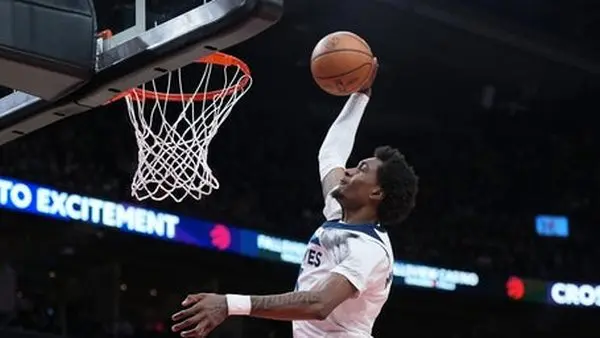
New Orleans is 5-21 on the road and just traded away their defensive heartbeat in Jose Alvarado. We’re backing the home favorites in our ATS pick as Anthony Edwards looks to torch a Pelicans defense that allows 121 points per contest.
The Setup: Pelicans at Timberwolves
Minnesota is laying 11 points at home against a Pelicans squad that’s limped to 13-40 and sits dead last in the Western Conference. New Orleans just watched Trey Murphy III drop 44 points in an overtime loss to Milwaukee, but that career performance couldn’t mask the fundamental issues plaguing this roster. The Timberwolves are 17-8 at Target Center and boast a +4.9 plus/minus compared to New Orleans’ dismal -6.5. That 11.4-point swing in net efficiency tells you exactly why this spread exists, and the possession math backs up every point of it.
The Wolves average 5.1 more points per game while shooting 48.3% from the field and 37.7% from three. New Orleans checks in at 46.0% and 34.2% respectively. When you’re giving up 2.3 percentage points from the field and 3.5 points from deep, you’re fighting uphill every possession. Anthony Edwards is averaging 29.7 points per game on ridiculous efficiency, and Minnesota’s depth chart runs eight or nine deep with contributors who can score. The Pelicans counter with Murphy’s 22.1 points per game and Zion Williamson’s 21.4, but Zion hasn’t attempted a three-pointer all season and the spacing issues are glaring.
Game Info & Betting Lines
When: Friday, February 6, 2026, 8:00 ET
Where: Target Center
Watch: Home: FanDuel SN North | Away: NBA League Pass, GCSEN, Pelicans.com
Current Line (MyBookie.ag):
Spread: Minnesota Timberwolves -11.0 (-110)
Moneyline: Timberwolves -500 | Pelicans +368
Total: 236.5 (Over/Under -110)
Why This Line Exists
An 11-point spread at home reflects the chasm between these rosters, but it’s not just about talent—it’s about efficiency, depth, and situational context. Minnesota’s 119.6 points per game ranks among the league’s better offenses, and they’re doing it with balance. Edwards leads the charge, but Julius Randle adds 22.1 points and 5.4 assists, Jaden McDaniels chips in 15.2 points on 52.2% shooting, and Naz Reid provides 14.6 points off the bench. That’s four guys averaging double figures with legitimate scoring gravity.
New Orleans counters with Murphy and Zion, but after those two the production drops significantly. Jordan Poole is averaging 14.5 points on 37.0% shooting—that’s brutal efficiency for a volume scorer. Rookie Jeremiah Fears is holding down point guard duties with Dejounte Murray still rehabbing from Achilles surgery, and while Fears shows promise at 13.3 points per game, he’s turning it over 2.2 times per contest. The Pelicans are 5-21 on the road, and their -6.5 plus/minus means they’re getting outscored by nearly seven points per 100 possessions over the full season.
The total at 236.5 reflects both teams’ ability to score, but Minnesota’s defensive activity edge matters here. The Wolves average 14.3 combined steals and blocks compared to New Orleans’ 13.7, and that half-possession difference compounds over 95-100 possessions. Minnesota’s 1.8-assist edge also signals better ball movement and spacing, which typically correlates with cleaner looks and higher efficiency.
New Orleans Breakdown: What You Need to Know
The Pelicans showed fight in Milwaukee with Murphy’s 44-point explosion, but that game went to overtime and they still lost by four. Murphy shot 12-of-19 from three in that contest—a performance you can’t reasonably expect to replicate. His season average sits at 37.3% from deep, which is solid, but the volume and efficiency he displayed Wednesday night was an outlier. Zion remains effective inside with 57.4% shooting, but his inability to stretch the floor creates spacing issues when Minnesota loads the paint.
Saddiq Bey provides secondary scoring at 16.4 points per game on 44.8% shooting, but the depth chart thins out quickly after the top three. Poole’s 37.0% field goal percentage is a massive efficiency drain, and Fears is still learning to manage the point at the NBA level. New Orleans averages 24.8 assists per game compared to Minnesota’s 26.6, and that 1.8-assist deficit signals less ball movement and more isolation-heavy possessions. When you’re relying on individual creation against a defense that generates 8.7 steals and 5.6 blocks per game, you’re asking for trouble.
The Pelicans do crash the offensive glass effectively at 12.5 rebounds per game, which gives them second-chance opportunities. But Minnesota’s 33.6 defensive rebounds per game suggests they’re solid at limiting those extra possessions. New Orleans commits slightly fewer turnovers at 14.1 per game compared to Minnesota’s 14.4, but that 0.3-possession edge doesn’t move the needle when you’re getting outscored by 5.1 points per contest.
Minnesota Breakdown: The Other Side
Edwards is the engine here, averaging 29.7 points on 49.4% shooting and 40.1% from three. Those efficiency numbers paired with that volume make him one of the league’s most dangerous scorers, and New Orleans doesn’t have a wing defender capable of slowing him down consistently. Randle provides secondary creation at 22.1 points and 5.4 assists, and his ability to operate from the mid-post creates mismatches when New Orleans tries to switch.
The depth is what separates Minnesota from most teams. McDaniels is shooting 45.4% from three on meaningful volume, Ayo Dosunmu—who’s listed as questionable but likely debuts Friday—adds 15.0 points on 51.4% shooting and 45.1% from deep, and Reid provides instant offense off the bench. That’s six legitimate scoring threats, and all of them shoot above league average from the field. Minnesota’s 48.3% field goal percentage ranks among the league’s best, and their 37.7% three-point shooting keeps defenses honest.
The Wolves average 26.6 assists per game, which ranks in the upper tier of ball movement. When you’re generating 1.8 more assists than your opponent, you’re creating better looks and forcing defenses to rotate. Minnesota also averages 44.9 rebounds per game compared to New Orleans’ 43.7, and while that 1.2-rebound edge seems minor, it adds up over 95-100 possessions. The Wolves are 17-8 at home, and their +4.9 plus/minus means they’re winning the possession battle by nearly five points per 100.
The Matchup: Where This Game Gets Decided
This game hinges on Minnesota’s ability to exploit New Orleans’ spacing issues and defensive breakdowns. The Pelicans allow opponents to shoot effectively because they can’t rotate fast enough to contest shots, and Minnesota’s ball movement creates exactly those breakdowns. When you’re averaging 26.6 assists per game, you’re forcing defenses to make multiple rotations per possession, and New Orleans doesn’t have the personnel to keep up.
The scoring edge of 5.1 points per game translates to roughly 0.05 points per possession over a typical 100-possession game. That’s five full points of efficiency, and it compounds when you factor in Minnesota’s shooting advantage. The Wolves shoot 2.3 percentage points better from the field and 3.5 points better from three. Over 85-90 field goal attempts, that shooting gap adds up to 4-6 additional made shots, which translates to 8-12 points depending on shot selection.
New Orleans’ offensive rebounding at 12.5 per game gives them extra possessions, but Minnesota’s defensive rebounding at 33.6 per game limits those opportunities. The Pelicans need second-chance points to stay competitive because their half-court offense lacks the efficiency to trade baskets with a team shooting 48.3% from the field. Minnesota’s defensive activity edge—14.3 combined steals and blocks compared to New Orleans’ 13.7—creates additional transition opportunities, and the Wolves thrive in the open court with Edwards leading the break.
The injury situation slightly favors Minnesota. Dejounte Murray remains out for New Orleans, forcing Fears into extended minutes at point guard. Terrence Shannon Jr. is out for Minnesota, but the Wolves have enough depth to absorb that loss. If Dosunmu debuts Friday, Minnesota gains another scoring threat who shoots above 50% from the field and 45% from three. That’s exactly the kind of efficient perimeter weapon that torches New Orleans’ porous defense.
Bash’s Best Bet & The Play
The efficiency gap here is too wide to ignore. Minnesota averages 5.1 more points per game, shoots significantly better from every spot on the floor, and holds a 11.4-point edge in plus/minus. That net rating differential tells you everything about how these teams perform over full games. New Orleans is 5-21 on the road and getting outscored by 6.5 points per game on the season. Minnesota is 17-8 at home with a +4.9 plus/minus and enough offensive depth to exploit every defensive breakdown.
The main risk is Murphy replicating his 44-point performance from Wednesday, but that required 12 made threes on 19 attempts—a shooting variance you can’t bank on. His season average sits at 37.3% from deep, and Minnesota’s perimeter defense is competent enough to contest shots. Zion will get his points inside, but his lack of three-point shooting allows Minnesota to load the paint and force others to beat them. Poole’s 37.0% shooting isn’t scaring anyone, and Fears is still learning to manage NBA tempo.
The possession math supports laying the points. Minnesota’s efficiency edge translates to 5-6 points per 100 possessions, and over a typical 95-100 possession game, that’s the difference between covering 11 and falling short. The Wolves’ depth allows them to maintain intensity for 48 minutes, and New Orleans doesn’t have the rotation pieces to keep pace. This spread reflects the talent gap, the efficiency gap, and the situational context of a road team that’s 5-21 away from home.
BASH’S BEST BET: Timberwolves -11.0 for 2 units.
Minnesota’s offensive balance and defensive activity create too many advantages to pass up. The Pelicans showed fight in Milwaukee, but moral victories don’t cover spreads. The Wolves win this by 15-plus and make it look routine.