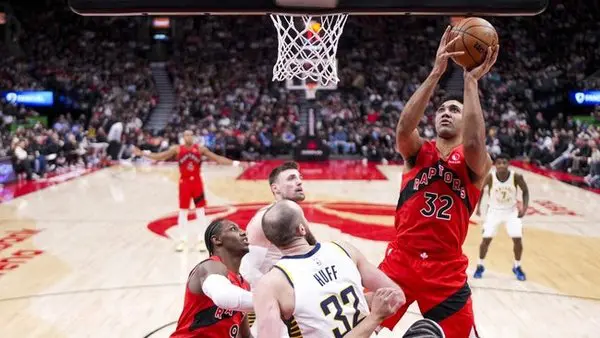
The Detroit Pistons roll into Scotiabank Arena as narrow favorites, and our primary ATS pick is based on how the Eastern Conference leaders will adjust their interior defense following the fallout of the Charlotte brawl.
The Setup: Pistons at Raptors
Detroit rolls into Scotiabank Arena on Wednesday as a 1.5-point road favorite against Toronto, and that narrow spread tells you everything about how the market views this matchup. The Pistons are 39-13 and leading the Eastern Conference. The Raptors sit at 32-22 in fifth place. Yet the line barely moves off a pick’em, and the total sits at 223. This isn’t about disrespecting Detroit’s elite season—it’s about recognizing that Toronto’s home floor and the Raptors’ ability to control tempo create a tighter game than the records suggest. Detroit averages 117.3 points per game compared to Toronto’s 114.1, but that 3.2-point edge shrinks when you factor in the Raptors’ 2.8 assist advantage and 1.3 fewer turnovers per contest. This game comes down to whether Cade Cunningham can exploit Toronto’s interior without Jalen Duren, and whether the Raptors can generate enough efficient offense to stay within range.
Game Info & Betting Lines
Game Time: February 11, 2026, 7:30 ET
Venue: Scotiabank Arena
TV Network: Home: TSN | Away: FanDuel SN DET, NBA League Pass
Current Betting Lines (MyBookie.ag):
Spread: Detroit Pistons -1.5 (-110) | Toronto Raptors +1.5 (-110)
Moneyline: Detroit Pistons -125 | Toronto Raptors +102
Total: 223.0 (Over -110 | Under -110)
Why This Line Exists
Detroit’s 1.5-point spread reflects their superior record and plus-7.8 average margin, but the market isn’t giving them the typical 3.5 to 4.5-point edge you’d expect from the conference’s top team on a neutral floor. That compression comes from two factors: Toronto’s home competency at 16-12 and the injury situation in Detroit’s frontcourt. The Pistons are without both Duren and Ronald Holland II, which matters more than the box score suggests. Duren’s 10.4 rebounds and rim protection anchor Detroit’s interior defense, and his absence shifts minutes to Tolu Smith and potentially Isaiah Stewart—though Stewart’s status remains uncertain after Monday’s ejection in Charlotte. Toronto’s potential return of Jakob Poeltl from a two-month absence creates additional uncertainty. If Poeltl plays, Toronto’s interior defense tightens considerably. The 223 total reflects both teams’ ability to score efficiently—Detroit shoots 48.0 percent from the floor, Toronto 47.4 percent—but also acknowledges that Toronto’s 29.5 assists per game and 14.0 turnovers suggest a methodical offensive approach that could slow possessions.
Pistons Breakdown: What You Need to Know
Cunningham is the engine here, averaging 25.3 points and 9.6 assists while orchestrating an offense that generates quality looks. His 45.9 percent shooting and ability to create for Duncan Robinson (40.1 percent from three) and Tobias Harris (35.7 percent from deep) gives Detroit multiple scoring avenues. The concern is interior presence without Duren. Smith grabbed 14 rebounds in his last outing, but that came against Charlotte’s undersized frontcourt—Toronto presents a different challenge with Scottie Barnes’ 8.4 rebounds and potential Poeltl minutes. Detroit’s 13.0 offensive rebounds per game lead Toronto’s 11.4, but that edge diminishes without Duren’s 10.4 boards. The Pistons’ 10.7 steals and 6.2 blocks per game create transition opportunities, and their ability to force Toronto’s 14.0 turnovers into fast-break points could be the difference. Harris and Robinson provide veteran scoring punch, but Detroit’s depth takes a hit without Holland’s versatility. The Pistons’ 48.0 percent shooting suggests they’ll find offense, but the question is whether they can protect the rim and control the glass without their starting center.
Raptors Breakdown: The Other Side
Toronto’s offensive balance creates problems for opponents who overcommit to one threat. Brandon Ingram leads at 22.0 points on 47.2 percent shooting, Barnes adds 19.4 points with 8.4 rebounds, and RJ Barrett contributes 18.6 points. That three-headed attack, combined with Immanuel Quickley’s 17.0 points and 6.1 assists, gives Toronto multiple pick-and-roll options and secondary creators. The Raptors’ 29.5 assists per game—2.8 more than Detroit—reflect an offense built on ball movement and high-percentage looks. Barnes’ recent 25-point, 14-rebound performance against Indiana showcased his ability to dominate without Poeltl, and if the veteran center returns, Toronto’s interior defense improves significantly. The Raptors’ 1.3 fewer turnovers per game compared to Detroit matters in a tight spread—extra possessions translate directly to scoring opportunities. Toronto’s 16-12 home record isn’t dominant, but they’ve won two straight and sit 10 games above .500. The absence of Chucky Hepburn (12.8 points, 9.2 assists in limited action) and Chris Paul removes some playmaking depth, but Quickley and Barrett handle ball-handling duties effectively.
The Matchup: Where This Game Gets Decided
This game hinges on interior control and turnover margin. Detroit’s 2.5 rebounding edge and plus-7.8 margin suggest dominance, but those numbers include Duren’s contributions. Without him, Toronto’s potential Poeltl return could flip the interior battle. Barnes’ 1.6 blocks and ability to guard multiple positions create matchup problems for Detroit’s perimeter players. The Pistons’ 15.3 turnovers per game compared to Toronto’s 14.0 means the Raptors should generate an extra possession or two, which matters significantly in a game projected for 223 total points. If we estimate 100 possessions per team, that’s roughly 1.17 points per possession for Detroit and 1.14 for Toronto based on their scoring averages. One extra possession for Toronto equals approximately 1.14 points—not game-changing, but relevant in a 1.5-point spread. Detroit’s defensive activity advantage (16.9 combined steals and blocks versus Toronto’s 13.4) creates transition opportunities, but Toronto’s assist rate suggests they’ll limit live-ball turnovers. Cunningham’s 9.6 assists against Quickley’s 6.1 and Barrett’s ability to attack closeouts will determine half-court efficiency. The Pistons need Robinson and Harris to convert open threes when Cunningham draws help, while Toronto needs Barnes to attack Detroit’s compromised interior defense.
Bash’s Best Bet & The Play
I’m taking Toronto +1.5 for 2 units. Detroit’s the better team, but this number doesn’t account for the frontcourt uncertainty and Toronto’s home-floor execution. The Raptors’ 29.5 assists and 14.0 turnovers reflect an offense that values possessions, and against a Detroit team missing its starting center, that discipline creates extra opportunities. Barnes’ versatility and Ingram’s scoring ability give Toronto multiple ways to attack, and if Poeltl returns—even in limited minutes—Toronto’s interior defense tightens enough to keep this within a possession. The main risk is Cunningham taking over late and Detroit’s perimeter shooting creating separation, but Robinson’s 40.1 percent from three and Harris’ 35.7 percent require open looks that Toronto’s ball movement can limit. This feels like a game decided by two to four points either way, and I’ll take the home team getting points with comparable efficiency and better ball security. Detroit might win outright, but Toronto covers.
BASH’S BEST BET: Toronto Raptors +1.5 for 2 units.