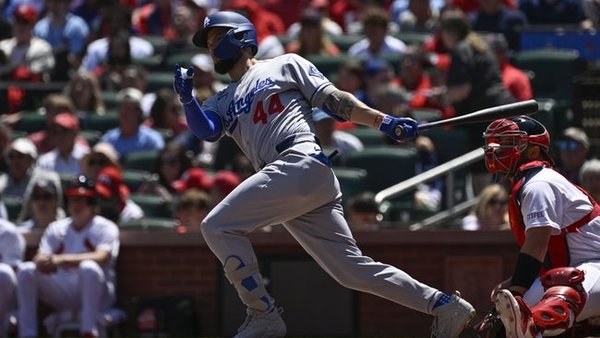
Strider’s 8.10 ERA screams disaster — the market’s -178 price treats this like settled analysis when we’re really betting on ghost data.
Spencer Strider vs Blake Snell: Atlanta Braves at Los Angeles Dodgers Betting Preview
The market has priced this as a clear Dodgers advantage at -178, but the underlying pitching matchup presents far more uncertainty than that number suggests. Spencer Strider brings an 8.10 ERA and 2.7 WHIP through just 3.1 innings—a sample so small it borders on meaningless. Meanwhile, Blake Snell has zero 2026 data, making his current form a complete mystery despite posting a 2.35 ERA in 2025.
The market is essentially asking us to trust either Strider’s horrific early numbers or bet on Snell’s prior-season form without knowing his current command, stuff, or readiness. Neither side offers the clarity needed for a confident wager at these prices.
Game Info & Betting Lines
- Date/Time: Saturday, May 9, 2026 | 9:10 PM ET
- Venue: Dodger Stadium (Park Factor: 0.98 – pitcher-friendly)
- Probable Starters: Spencer Strider (0-0, 8.10) vs Blake Snell (No 2026 data)
- Moneyline: Atlanta Braves +150 / Los Angeles Dodgers -178
- Run Line: Los Angeles Dodgers -1.5 (+114) / Atlanta Braves +1.5 (-137)
- Total: 8.5 (Over -115 / Under -105)
Why This Number Reflects Perfect Uncertainty
The -178 moneyline suggests the Dodgers should win roughly 64% of the time, but that confidence level assumes we can accurately assess both starters’ current ability. The market is balancing Strider’s alarming early struggles—5 walks in 3.1 innings alongside 16.2 K/9—against the complete unknown of Snell’s readiness after posting excellent numbers last season.
What the line does capture correctly is the offensive balance. The Braves (.787 OPS) and Dodgers (.792 OPS) are virtually identical at the plate, though both are missing key contributors. Ronald Acuña Jr. remains sidelined for Atlanta while Mookie Betts sits for Los Angeles, neutralizing potential lineup advantages on either side.
The market has essentially created a pick-em scenario disguised as a pitching edge, but the uncertainty around both starters makes this price reflect honest confusion rather than sharp information.
What Separates the Pitching
From a pure arsenal standpoint, Strider’s weapons remain elite when executing properly. His 83.5 mph slider generates a 31.7% whiff rate with a devastating 0.235 xwOBA against, while his changeup holds hitters to just 0.095 xwOBA in limited usage. The problem is execution—those 5 walks in 3.1 innings suggest command issues that could either resolve quickly or persist for weeks.
Snell’s 2025 profile showed a completely different pitcher, relying heavily on his 93.9 mph four-seam fastball (48.2% usage) paired with an 85.8 mph slider (34.5%). Last season, he carried a 1.26 WHIP and 10.6 K/9 through 61.1 innings—solid if unspectacular numbers. But that data comes with a massive asterisk: we have no idea how his stuff translates to 2026.
The gap here isn’t between two known quantities—it’s between one pitcher showing alarming volatility and another who’s a complete analytical blank slate. Strider’s upside remains stratospheric if his command returns, while Snell could be anywhere from his 2025 form to significantly diminished. That range of outcomes makes handicapping impossible at current prices.
The Pushback
The strongest argument for laying the -178 with the Dodgers centers on Strider’s walk rate creating inevitable implosions. Five free passes in 3.1 innings isn’t a small sample quirk—it’s a red flag suggesting mechanical issues that could lead to crooked numbers at any moment. Dodger Stadium’s pitcher-friendly environment won’t save him if he can’t locate the strike zone.
On Snell’s side, the unknown cuts both ways. While we can’t confirm his current form, his track record suggests competence at minimum. The concern is rust, diminished stuff, or command issues that won’t show up until he’s already spotted Atlanta early runs. That uncertainty should theoretically favor the underdog, not justify laying heavy chalk.
But here’s the problem: neither argument feels strong enough to overcome the fundamental information gap. Strider could dominate for six innings just as easily as he could walk six in three. Snell might be sharp or completely off. The market has priced in maximum uncertainty, and fighting that feels like guessing rather than handicapping.
Run Environment & Game Shape
The 8.5 total sits in the sweet spot for Dodger Stadium’s pitcher-friendly environment, but the pitching volatility creates competing forces. Strider’s walk issues suggest potential offensive eruptions, while his strikeout upside could lock down innings completely. Snell’s unknown form adds another layer of unpredictability to the scoring environment.
Both lineups have shown they can manufacture runs—the Braves average 5.49 per game while the Dodgers sit at 5.24—but missing key pieces limit their ceiling. Without Acuña and Betts, neither offense projects to overwhelm opposing pitching through pure talent. The game shape likely falls somewhere between a tight pitcher’s duel and a moderate-scoring affair, exactly what the market expects at 8.5.
This environment amplifies the uncertainty rather than clarifying it. A controlled pitching performance from either side keeps this under easily, but command issues from Strider or rust from Snell could push scoring well over the number.
Joe Jensen’s Pick
JENSEN’S PICK: PASS — 0 Units
I looked hard at the Dodgers moneyline here, thinking Snell’s track record and Strider’s early struggles justified the price. But that argument falls apart when you realize we’re betting on 2025 data versus a three-inning disaster that could be completely misleading. I considered the run line at +114, but Strider’s volatility creates too much blowout risk in either direction—he could dominate or implode with equal probability.
The total seemed like the safest play until I realized the competing factors cancel each other out. Strider’s walk rate screams overs, but we don’t know if that’s sustainable. Snell’s unknown form could produce anything from shutout ball to batting practice.
Sometimes the sharpest play is recognizing when the market has efficiently priced uncertainty. With projected scores of 5-4 either way, this game represents a true coin flip where the house edge overwhelms any perceived advantage. The patience to pass on unclear spots is what separates long-term winners from short-term guessers.