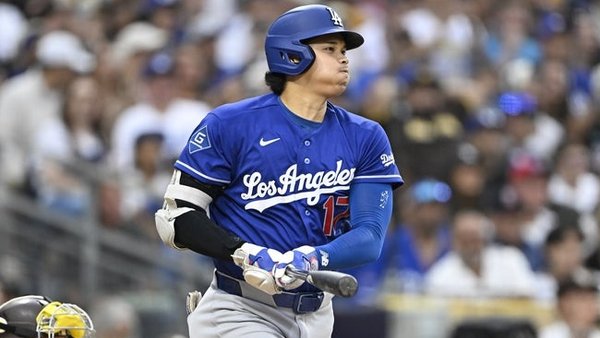
Eric Lauer carries a 4.87 ERA and 16 home runs allowed in 64.2 innings into a pitcher-friendly park against Gage Jump, who has yet to surrender a home run in 35.1 innings this season. The Dodgers’ 54-30 record is doing heavy lifting in that -116 price — the actual arms on the mound tonight tell a different story.
Eric Lauer vs Gage Jump: Los Angeles Dodgers at Athletics Betting Preview
The Dodgers arrive in Sacramento off a series win over San Diego, having outscored the Padres across two of three games. The Athletics limp in from Anaheim having dropped two straight to the Angels, scoring a combined three runs. On paper, the surface narrative reads Dodgers. The price at -116 reflects that institutional lean.
But the price is where the market gets lazy. The Dodgers’ rotation is decimated — Tyler Glasnow, Blake Snell, Gavin Stone, and Landon Knack are all on the 60-day IL — which means Eric Lauer, a back-of-rotation arm with a 4.87 ERA and 16 home runs allowed in 64.2 innings, is toeing the rubber for the two-time defending champions tonight. Opposing him is Gage Jump, whose 2.04 ERA and 0.96 WHIP represent one of the cleaner suppression profiles in the American League right now.
The numbers project this game Athletics 4.4, Dodgers 4.1 — a lean toward the home side that the near-even moneyline validates rather than challenges. The edge isn’t in the Dodgers being bad. The edge is in the pitching gap being real, and the price not fully pricing it in.
Game Info & Betting Lines
- Date/Time: Monday, June 29, 2026 | 9:40 PM ET
- Venue: Sutter Health Park | Park Factor: 0.93 (pitcher-friendly)
- Probable Starters: Eric Lauer (LAD) vs Gage Jump (ATH)
- Moneyline: Los Angeles Dodgers -116 / Athletics -102
- Run Line: Athletics +1.5 (-156) / Los Angeles Dodgers -1.5 (+130)
- Total: 10.5 (O -110 / U -110)
Why This Number Is Off
The market’s logic is defensible. The Dodgers are 54-30 with a +152 run differential, sitting 10 games clear in the NL West. Shohei Ohtani (.953 OPS) and Freddie Freeman (.870 OPS) are healthy. The Dodgers go 7-3 over their last 10, and even with significant injury attrition, they put four runs on the board against a quality Padres pen in their most recent game. The -116 moneyline for Los Angeles is not irrational — it reflects a genuinely dangerous offense facing a pitcher in a small sample.
The concern is that the market is weighting roster prestige over tonight’s actual pitching assignment. Lauer’s 1.24 WHIP and 16 home runs allowed — across just 64.2 innings — signal a pitcher who lives dangerously in the strike zone. His 5.8 K/9 means he relies on contact management that his underlying numbers suggest isn’t working. The total sitting at 10.5 feels at least a run and a half high given the park factor and Jump’s profile, which tells you the market is accounting for Lauer’s volatility. That volatility cuts against the Dodgers moneyline, not for it.
Oakland at -102 in a home game where their starter owns a clear statistical edge over the visitor is where the price diverges from the reality.
What Separates the Pitching
The gap between these two arms is not subtle. Jump’s Statcast arsenal centers on a 4-seam fastball at 91.4 mph used 43.9% of the time, but the pitch that truly separates him is his changeup — 22.9% usage, 40.7% whiff rate, and a .272 xwOBA against. That’s an elite off-speed weapon, the kind that disrupts timing against right-handed power bats. His cutter (.161 xwOBA against, 17.6% whiff rate) is a nearly untouchable secondary offering. The result: zero home runs allowed in 35.1 innings, a 0.96 WHIP, and 1.72 WAR in a limited sample. Jump’s profile generates weak contact consistently, not just good luck.
Lauer works differently — and worse. His 4-seam fastball sits 94.3 mph with 49% usage, but the pitch generates only a 19.8% whiff rate and a .290 xwOBA against, meaning hitters are squaring it up regularly. His slider, thrown 31.7% of the time, holds a .343 xwOBA against — a pitch that should be a weapon but isn’t generating put-aways at a high rate (12.7%). The sinker is a liability at .407 xwOBA. Lauer’s 5.8 K/9 tells the story: he’s not missing bats, and against a lineup featuring Ohtani’s .511 xwOBA overall — and notably a .549 xwOBA against right-handers — the exposure is real. Freeman’s .333 BvP against Jump (small sample) is worth noting, but Lauer is the one facing a murderer’s row with limited swing-and-miss tools.
The innings each pitcher creates look completely different. Jump generates soft contact and quiet frames. Lauer generates loud contact and high-leverage jams. In a pitcher-friendly park at 0.93 park factor, Jump’s suppression is amplified. Lauer’s volatility is not similarly offset.
The Pushback
Here’s where the bet gets honest. Jump’s 35.1 innings is a thin sample for a 2.04 ERA. That number almost certainly regresses. His four-seam fastball — used nearly 44% of the time — holds a .361 xwOBA against, which is closer to league average than elite. The Dodgers don’t need their missing contributors to do damage when Ohtani, Freeman, and Max Muncy (.447 xwOBA, 8.1% barrel rate) are intact and capable of turning one bad fastball into a multi-run inning.
Oakland’s lineup is also compromised. Brent Rooker (DH, 10-day IL, knee), Zack Gelof (3B, 10-day IL, hand), and Tyler Soderstrom (LF, day-to-day, hip) are all sidelined or questionable, stripping the A’s of three of their better offensive contributors. The Athletics carry a 4.93 bullpen ERA, which means if Jump exits early or runs into trouble in the fifth or sixth, the relief corps is a genuine liability. The Dodgers bullpen, even with Edwin Diaz and Blake Treinen both on the IL, is structurally stronger on a run-prevention basis.
These are real concerns. I’m not dismissing them. But they’re priced in — the -102 line already reflects market skepticism about Oakland’s roster depth and Jump’s small sample. The bet here is that the pitching gap is being undervalued relative to the Dodgers’ name recognition, not that Oakland is a certainty.
Run Line and Total: Why I’m Staying on the Moneyline
The run line at Athletics +1.5 is -156. That’s too much juice given bullpen volatility on both sides. If Jump exits after five and the A’s pen surrenders a pair of runs in the sixth, that cushion evaporates fast. I’m not paying -156 for a team with a 4.93 bullpen ERA to cover.
The total under at 10.5 is tempting given the park factor and Jump’s suppression profile, but Lauer’s volatility cuts against a clean under play. He’s allowed 16 home runs in 64.2 innings — one bad inning from the Dodgers side alone could push this game over. The under requires both starters to perform, and Lauer’s track record this season doesn’t inspire that kind of confidence. The moneyline at -102 is the cleaner, more efficient expression of the edge.
The Pick
This game comes down to one question: is the pitching gap between Jump and Lauer worth more than the Dodgers’ roster prestige at near-even money? The answer is yes. Jump’s changeup (40.7% whiff rate, .272 xwOBA) and cutter (.161 xwOBA) are legitimately difficult pitch combinations. Lauer’s four-seam (.290 xwOBA, 19.8% whiff) and sinker (.407 xwOBA) against a lineup with Ohtani’s .549 xwOBA vs. right-handers is a structural mismatch. The pitcher-friendly park at 0.93 amplifies Jump’s upside and does nothing to mitigate Lauer’s contact issues.
At -102, the Athletics moneyline offers value the market isn’t fully accounting for. Two units on Oakland.
Bet: Athletics Moneyline (-102) — 2 Units