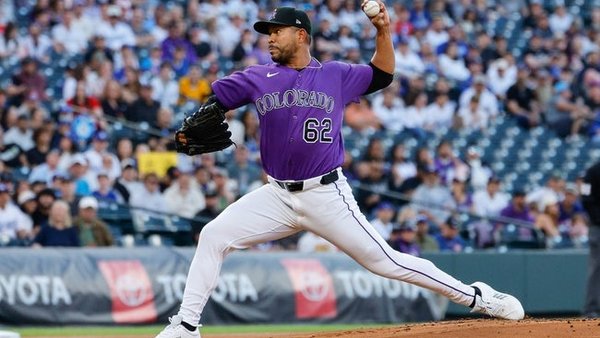
Both starters struggle to miss bats, but Coors Field’s thin air turns routine contact into extra-base hits. The total at 11 runs treats this like a standard pitching matchup — it’s not.
Jose Quintana vs Christian Scott: New York Mets at Colorado Rockies Betting Preview
The market is treating this like just another Thursday afternoon game, but the underlying numbers tell a different story. Jose Quintana’s dismal 4.44 K/9 rate makes him a sitting duck in Coors Field’s thin air, where contact plays turn into extra-base hits at an alarming rate. On the other side, Christian Scott brings limited major league experience and a 4.26 ERA into baseball’s most unforgiving pitching environment.
Yesterday’s 10-5 slugfest should have been a warning shot to the books, but the total only moved from 10.5 to 11. That’s not nearly enough adjustment when you consider both teams’ bullpens are decimated by injuries and neither starter profiles as someone who can navigate Coors Field’s unique challenges.
Game Info & Betting Lines
- Date/Time: Thursday, May 7, 2026 | 3:10 PM ET
- Venue: Coors Field (Park Factor: 1.38)
- Probable Starters: Christian Scott (NYM) vs Jose Quintana (COL)
- Moneyline: New York Mets -148 / Colorado Rockies +126
- Run Line: Colorado Rockies +1.5 (-126) / New York Mets -1.5 (+105)
- Total: 11 (Over +100 / Under -122)
Why This Number Is Too Low
The market is anchoring on both teams’ season-long offensive struggles – the Mets hitting .230 and the Rockies at .253. That’s a fair concern in most environments, but Coors Field’s 1.38 park factor doesn’t discriminate based on batting averages. It amplifies everything, turning routine fly balls into doubles and turning doubles into triples.
The books seem to be giving too much credit to the under based on these teams’ recent cold streches. But here’s what they’re missing: Mickey Moniak is riding an 18-game hitting streak and sitting at .442 xwOBA against right-handed pitching. Juan Soto just homered on the first pitch last night and carries a .482 xwOBA that suggests his .301 average is actually underselling his contact quality.
My model projects a total of 12.6 runs compared to the posted line of 11, creating significant value on the over. The books are undervaluing how Coors Field amplifies even mediocre offensive performances, especially when the pitching matchup features two starters with exploitable weaknesses.
What Separates the Pitching
Jose Quintana’s arsenal tells the story of a pitcher living on borrowed time at sea level, let alone at 5,200 feet. His 32.6% four-seam usage sits at just 90.1 mph with a pedestrian 23.0% whiff rate. More concerning is his sinker, which generates only a 6.5% whiff rate – that’s essentially batting practice velocity in Coors Field conditions.
The real killer is Quintana’s strikeout rate. At 4.44 K/9, he’s forcing contact on nearly every batter he faces. His changeup shows promise with a 37.2% whiff rate, but that 18.1% usage isn’t nearly enough to carry him through a Mets lineup that includes Mark Vientos (.432 xwOBA) and Hunter Goodman (.477 xwOBA against righties).
Christian Scott brings different problems but similar results. His 95.7 mph four-seam fastball looks impressive until you realize it’s getting hammered to a .277 xwOBA. The split-finger is his best pitch at 58.3% whiff rate, but rookies notoriously struggle with command in Coors Field’s thin air. His 11.4% usage of that splitter isn’t sustainable over six innings when his secondary offerings are getting crushed.
Scott’s biggest issue is experience. This is exactly the type of environment where young pitchers get exposed, and the Rockies lineup features multiple hitters with xwOBA marks above .400 against right-handed pitching.
The Pushback
The obvious concern here is that both offenses have been genuinely terrible lately. The Mets are missing key contributors with Francisco Lindor and Luis Robert Jr. on the injured list, while the Rockies have managed just 5 runs in their last three games despite playing in their home park.
There’s also today’s weather conditions to consider. With an afternoon start time at 3:10 PM ET, we’re looking at potentially cool temperatures that could suppress some of Coors Field’s notorious offensive environment. Cold air is denser, which can reduce the carry on fly balls even at altitude.
The bullpen situation cuts both ways too. While both teams have multiple relievers on the injured list, that could actually help the under if managers are forced to ride their starters longer. But when you’re talking about Quintana and Scott trying to navigate Coors Field for 6+ innings, that’s more likely to create scoring opportunities than prevent them.
Run Environment & Game Shape
Coors Field’s 1.38 park factor is the great equalizer here. Even struggling offenses find ways to score when routine fly balls carry an extra 15-20 feet and breaking balls don’t break the way pitchers expect. The market is pricing this for a 5.5-5.5 type game, but the environmental factors point toward something closer to 7-6.
Yesterday’s 15-run total came with better pitching matchups than today’s. Michael Lorenzen and Freddy Peralta have significantly better strikeout rates than Quintana and Scott, yet the game still exploded for runs once the offenses adjusted to the altitude.
The pick is Over 11 (+100), meaning the combined score needs to reach 12 runs for the bet to cash. With my model projecting 12.6 runs and both starting pitchers featuring arsenals that get exposed in Coors Field conditions, I’m comfortable backing the over despite the recent offensive struggles from both clubs.