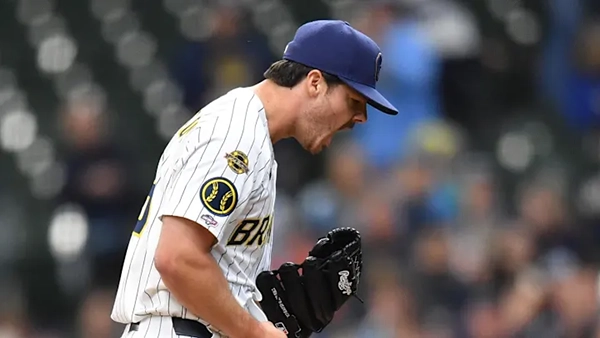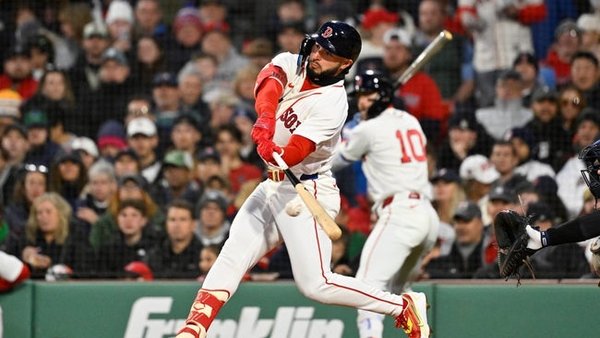
Gray’s 3.54 ERA should dominate Painter’s 6.89 nightmare season — but the run line at +146 is pricing this like both starters are comparable. The pitching gap is real, the market recognition is lagging.
Sonny Gray vs Andrew Painter: Philadelphia Phillies at Boston Red Sox Betting Preview
The market sees a close game between two teams riding different momentum waves. Philadelphia arrives with three straight wins and Kyle Schwarber absolutely scorching with six home runs in his last five games, including yesterday’s 2-1 victory at Fenway where he tied a franchise record with his fifth consecutive game with a homer. Boston sits at 17-24, struggling to find consistent offense despite solid pitching depth.
But the headline story is the pitching gap that’s been hiding behind Philadelphia’s hot streak. Andrew Painter has been brutal this season with a 6.89 ERA and 1.71 WHIP across 32.2 innings — numbers that scream regression candidate rather than sustainable starter. Meanwhile, Sonny Gray brings a 3.54 ERA and 1.29 WHIP over 28 innings that represents exactly the kind of veteran stability Boston needs.
At -132, the Red Sox price reflects reasonable home field advantage and recent form concerns, but it’s not pricing in just how poorly Painter has pitched or how consistently Gray has managed contact this season.
Game Info & Betting Lines
- Date/Time: Wednesday, May 13, 2026 | 6:45 PM ET
- Venue: Fenway Park (Park Factor: 1.08 — hitter-friendly)
- Probable Starters: Andrew Painter (1-4, 6.89 ERA) vs Sonny Gray (3-1, 3.54 ERA)
- Moneyline: Philadelphia Phillies +112 / Boston Red Sox -132
- Run Line: Boston Red Sox -1.5 (+146) / Philadelphia Phillies +1.5 (-178)
- Total: 9 (Over -102 / Under -120)
Why This Number Isn’t Accounting for Starter Quality
The market is balancing Philadelphia’s recent surge — 11-3 under Don Mattingly who reached his 900th managerial win yesterday — with Schwarber putting up video game numbers against Boston’s home field advantage and superior season-long pitching metrics. The Phillies look like a team that found something after the managerial change, riding momentum and offensive explosions.
The concern is that this line is pricing recent results over sustained performance gaps. Philadelphia’s hot streak has coincided with facing some questionable pitching, and their underlying metrics still show a team with a -31 run differential at 20-22. Boston’s 3.95 team ERA versus Philadelphia’s 4.46 ERA suggests the pitching edge isn’t just about the starters.
But the market seems to be giving too much weight to momentum and not enough to the stark reality that Painter has been getting hit hard consistently while Gray has been managing contact effectively. The -132 price feels like it’s splitting the difference when the pitching matchup suggests a clearer edge.
What Separates the Pitching
This is where the gap becomes obvious. Sonny Gray’s 3.54 ERA and 1.29 WHIP represent steady, veteran execution over 28 innings. His Statcast arsenal shows a pitcher mixing six effective offerings, with his curveball generating a 27.3% whiff rate and his changeup holding hitters to just .185 xwOBA. Gray’s sinker at 92.2 mph sits as his primary contact-management pitch, and his 15.7% sweeper usage gives him a reliable breaking ball to change eye level.
Compare that to Andrew Painter’s nightmare season: 6.89 ERA, 1.71 WHIP, and a -0.21 WAR that screams problem starter. His four-seam fastball at 96.4 mph should be an asset, but hitters are posting a .404 xwOBA against it despite the velocity. His slider shows promise with a 45.0% whiff rate, but his sweeper is getting demolished (.555 xwOBA) and his command issues (12 walks in 32.2 innings) suggest deeper mechanical problems.
The concerning part for Painter is that his stuff isn’t translating to results. The 7.0% whiff rate on his primary fastball is alarming for a pitcher relying on velocity, while Gray’s contact-oriented approach has been far more effective at limiting damage. Gray creates weak contact through location and sequencing; Painter is hoping for swings and misses that aren’t coming consistently enough.
The Pushback
The obvious concern is backing against this Philadelphia momentum. Schwarber’s current tear isn’t sustainable, but it’s also real run production that can single-handedly change a game outcome. The Phillies have scored 17 runs over their last three wins, including yesterday’s series opener where they managed just enough offense against decent Boston pitching.
There’s also the Don Mattingly factor — teams often respond to managerial changes with temporary performance spikes, and Philadelphia’s 11-3 record under the new skipper since taking over from Rob Thomson on April 28 suggests something genuine might be happening. Brandon Marsh leads the majors in batting average at .353, and Bryce Harper’s .938 OPS shows this offense has legitimate weapons beyond just Schwarber’s hot streak.
The flip side of that momentum argument is sustainability. Philadelphia’s underlying numbers still show a team with significant run prevention issues, and one dominant starting performance from Gray could expose just how fragile this winning streak might be. Painter’s 6.89 ERA over 32.2 innings isn’t a small sample anymore — it’s a trend.
Run Environment & Game Shape
Fenway’s 1.08 park factor tilts slightly toward offense, but not enough to dramatically change the game script. The total sits at 9, suggesting the market expects something around a 5-4 or 6-3 final score — reasonable given both teams’ season-long offensive profiles (.235 batting average for Philadelphia, .235 for Boston).
This run environment actually favors the pitching edge. In games where runs are at a premium, the difference between a 3.54 ERA starter and a 6.89 ERA starter becomes magnified. Gray’s ability to consistently work through lineups without major damage gives Boston multiple paths to victory, while Painter’s volatility means Philadelphia needs everything to break right offensively.
The Run Line Case
I considered the straight moneyline at -132, but the run line at +146 offers better risk-adjusted value given how poorly Painter has pitched. If Gray can give Boston 6+ innings of his typical work — which the 3.54 ERA suggests is likely — then Boston should have multiple late-inning opportunities to extend leads rather than just protect them.
Philadelphia’s bullpen has been solid, but asking them to consistently bail out a starter who’s allowing 6+ runs per nine innings is unsustainable. The +146 price on Boston -1.5 accounts for Philadelphia’s recent hot streak but doesn’t properly weight the massive gap in starting pitcher reliability.
Bottom Line
This line is giving too much respect to Philadelphia’s momentum and not enough to the pitching reality. Schwarber’s home run streak and Mattingly’s early success tell a compelling story, but Painter’s 6.89 ERA over 32.2 innings tells a more predictive one. Gray’s veteran consistency at home, combined with the run line value at +146, creates the best betting opportunity in this matchup.
Play: Boston Red Sox -1.5 (+146)