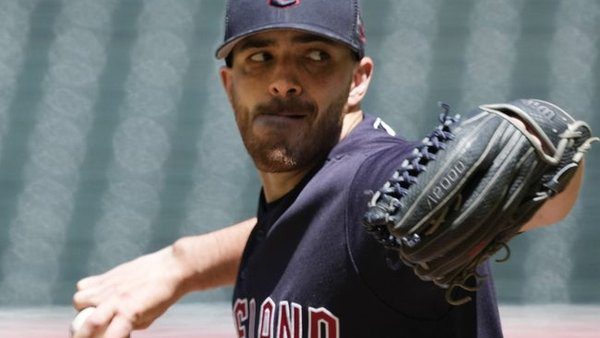
I’ve seen enough small samples to know when one tells a real story — Jose Suarez’s 1.86 ERA looks unsustainable until you watch Aaron Civale’s 4.85 and realize this moneyline might actually be undervaluing the pitching gap.
Aaron Civale vs Jose Suarez: Athletics at Atlanta Braves Betting Preview
The market has Atlanta favored at -156, which feels reasonable for a home team coming off a dominant 4-0 shutout win. But this line undersells what should be a significant pitching advantage for the Braves. Jose Suarez posted a 1.86 ERA in his prior 2025 season despite limited innings, while Aaron Civale struggled to a 4.85 ERA across 102 innings. Oakland enters 0-4 with a -9 run differential, fresh off getting shutout 4-0 by Atlanta on Monday.
The Athletics showed offensive potential in their recent series against Toronto, but that production hasn’t translated against Atlanta’s pitching. The Braves have started 3-1 with an +11 run differential and just dominated Oakland behind strong pitching in Monday’s series opener.
Game Info & Betting Lines
- Date/Time: Tuesday, March 31, 2026 | 7:15 PM ET
- Venue: Truist Park (Park Factor: 1.01)
- Probable Starters: Aaron Civale (OAK) vs Jose Suarez (ATL)
- Moneyline: Athletics +129 / Braves -156
- Run Line: Braves -1.5 (+135) / Athletics +1.5 (-163)
- Total: 9 (Over -120 / Under +100)
Why This Number Is Close But Not Close Enough
The market is balancing legitimate concerns about Suarez’s tiny sample size — just 19.1 innings in 2025 — against Civale’s much larger body of mediocre work. Oakland backers can point to their recent offensive production against Toronto and argue the Athletics aren’t as dead as Monday’s shutout suggests. The Athletics also showed resilience in their losses, keeping games competitive despite poor starting pitching.
But here’s where I think the line misses: Civale’s 4.85 ERA and 16 home runs allowed in 102 innings represent a full season of struggle, not a rough stretch. His 1.26 WHIP indicates consistent baserunner issues. Meanwhile, Suarez’s small sample actually strengthens the case — his 2025 performance showed elite control with a manageable 7.4 K/9 rate that suggests sustainable success rather than fluke dominance. The gap between these arms is wider than a -156 price suggests.
What Separates the Pitching
This matchup creates a clear contrast in run prevention ability. Suarez posted a 1.86 ERA in 2025 with strong command fundamentals — his 1.29 WHIP shows he limits baserunners, while his 10 walks in 19.1 innings suggest developing control. His single home run allowed indicates he keeps the ball in the park, crucial against an Athletics lineup that includes power from Colby Thomas (6 HRs in 2025) and Luis Urias (8 HRs).
Civale’s 4.85 ERA tells a different story entirely. His 16 home runs allowed in 102 innings means he’s surrendering long balls every 6.4 innings — a dangerous tendency facing Atlanta’s power potential. His 1.26 WHIP indicates consistent traffic on the basepaths, while his 33 walks show command issues that create extra opportunities for opposing hitters. The 7.8 K/9 rate suggests decent stuff, but not enough to overcome his location problems.
The innings each pitcher creates matter enormously for this betting outcome. Suarez projects to limit scoring chances through the middle innings, while Civale’s home run tendency and baserunner frequency should create multiple Atlanta scoring opportunities. In a game with a 9-run total, that difference in run prevention becomes the deciding factor.
The Pushback
The obvious concern is Suarez’s microscopic 19.1-inning sample from 2025. That’s barely four starts worth of data, and early-season performance can evaporate quickly when hitters get more looks at a pitcher. Young arms often show initial success before opposing teams make adjustments, and Suarez could hit that wall early in 2026.
Oakland’s offensive upside also can’t be ignored. Colby Thomas hit six homers in 2025, and Luis Urias added eight more. Brett Harris showed solid contact with a .274 average. If Suarez hits early control issues, the Athletics have enough offensive pieces to capitalize on mistakes.
That said, I keep coming back to the fundamental pitching gap. Civale’s struggles weren’t a month-long slump — they represented 102 innings of consistent issues. Suarez’s sample may be small, but his underlying metrics suggest real ability, not lucky variance. The price gives us enough cushion to absorb early-season unpredictability.
Run Environment & Game Shape
The 9-run total suggests a moderate scoring environment, which actually favors the better starting pitcher. Truist Park’s 1.01 park factor plays essentially neutral, meaning pitching quality becomes the primary driver of run scoring rather than environmental factors. This setup amplifies Suarez’s edge over Civale.
The market expects a competitive game where both teams reach the middle innings with chances to score. That’s exactly the environment where Civale’s home run problems become most costly — Atlanta’s power hitters like Jurickson Profar (.787 OPS, 14 HRs) and Sean Murphy (.709 OPS, 16 HRs) get multiple opportunities against a pitcher who’s proven vulnerable to big swings. The likely scoring range of 4-6 runs per team means Civale’s tendency to allow extra-base hits should create the difference.
Joe Jensen’s Pick
JENSEN’S PICK: Braves Moneyline -156 — 2 Units
This comes down to trusting process over small sample concerns. Suarez’s 2025 metrics suggest legitimate ability, while Civale’s larger sample shows consistent problems that should persist. Atlanta’s home field advantage and superior bullpen depth provide additional edge in a close game. The -156 price offers solid value on the better pitcher and better team situation.